A Complete Liveaboard Feasibility Study Guide for Dive Cruise Ventures (2026)
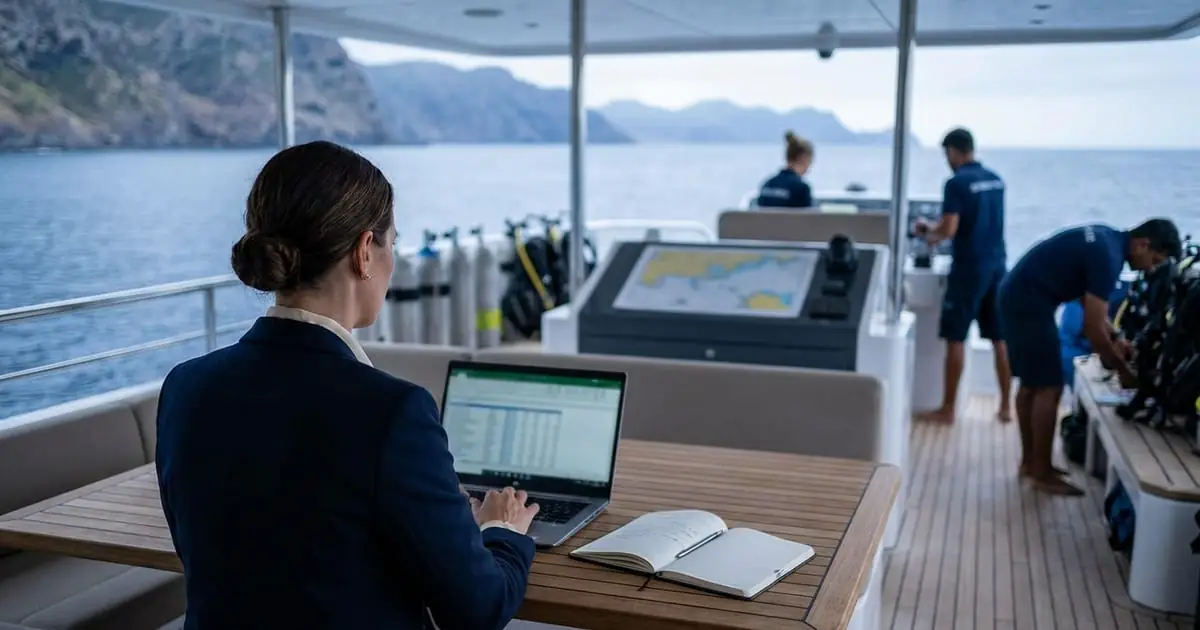
Embarking on a liveaboard dive cruise venture represents a significant investment, promising both adventure and substantial returns for the discerning entrepreneur. Yet, like any journey into new waters, it demands meticulous planning and a robust understanding of the landscape. A comprehensive liveaboard feasibility study is not merely a formality; it is the compass guiding your investment, ensuring you navigate towards profitability and sustainability for your dive cruise business.
At SimpleFeasibility, our team, with backgrounds in corporate finance, venture investment, and small business advisory, understands the critical importance of a well-researched business plan. This guide, peer-reviewed for technical accuracy by our editorial team, offers founders, business owners, consultants, and investors a detailed roadmap for evaluating a liveaboard business feasibility opportunity in 2026 and beyond. It's an essential resource for anyone considering a safari boat feasibility or liveaboard charter feasibility assessment.
Introduction: Navigating the Waters of Liveaboard Dive Cruise Investment
The allure of the open ocean and pristine dive sites makes liveaboard dive cruises an attractive business proposition. However, success in this niche market hinges on thorough preparation and a deep understanding of its unique challenges and opportunities. This section sets the stage for your comprehensive liveaboard feasibility study.
What is a Liveaboard Dive Cruise?
A liveaboard dive cruise is a specialized vessel designed to offer multi-day, all-inclusive diving expeditions. These trips typically go to remote and often pristine underwater locations that are inaccessible to day boats. Guests live, eat, and sleep on board, maximizing their time at sea and allowing for multiple dives daily, often including night dives. These vessels range from comfortable, functional boats to luxurious yachts, each promising an immersive experience tailored to serious divers. Understanding this core offering is key to any successful liveaboard business model.
Why Consider a Liveaboard Dive Cruise Business?
The demand for premium, immersive dive travel experiences continues to grow, particularly among experienced and affluent divers seeking unique adventures. Liveaboards cater to this niche by providing unparalleled access to world-class dive sites, convenience, and a strong sense of community among like-minded enthusiasts. For investors, this translates into a high-value market segment with potential for strong revenue streams, provided the operation is well-executed. A robust dive cruise feasibility analysis will confirm this potential.
The Purpose of This Liveaboard Feasibility Study Guide
This guide serves as a comprehensive roadmap for conducting a thorough liveaboard feasibility study. We will delve into every critical aspect, from market analysis and financial projections to regulatory compliance and risk management. Our aim is to equip you with the knowledge and frameworks necessary to make informed decisions, mitigate potential pitfalls, and lay a solid foundation for a successful dive cruise venture.
Market Analysis: Understanding the Liveaboard Dive Traveler for Liveaboard Businesses
Understanding your potential customer is paramount to the success of any business, especially in the specialized liveaboard dive cruise sector. This market segment is distinct, discerning, and driven by specific motivations, which is a core component of any liveaboard business feasibility assessment.
Who is the Target Customer?
Liveaboard dive travelers are typically a high-value demographic. As of March 2025, data indicates the average age of liveaboard dive travelers is 52. This group is financially established, with 78% earning over $100,000 annually, and 94% being homeowners. This demographic seeks quality, comfort, and unique experiences, making them willing to invest in premium travel. (Source: DEMA, March 2025).
Their motivations extend beyond just diving. They seek access to remote dive sites that land-based operations cannot reach, the efficiency of multiple dives daily, and an immersive experience that fosters a sense of community. Comfort, high-quality service, and specialized itineraries (e.g., technical diving, photography workshops, specific marine life encounters) are key drivers.
For 2026 and beyond, expert insights suggest that solo divers and small groups represent a key growth segment. These travelers are often seeking flexible cabin policies and trips that emphasize community and shared experiences rather than large group bookings. (Source: Expert Insights from SimpleFeasibility Editorial Team, 2026).
Market Trends and Growth Drivers for Liveaboard Businesses
Several trends are shaping the liveaboard dive market:
- Sustainability: There's increasing demand for eco-conscious travel. Adherence to standards like those from Green Fins, which promotes environmentally friendly diving and snorkeling practices, is becoming a significant differentiator and expectation for guests.
- Personalized Experiences: Travelers increasingly value tailored itineraries, specialized courses, and services that cater to their individual preferences.
- High-Quality Service: Exceptional customer service, knowledgeable crew, and well-maintained vessels are non-negotiable for this discerning clientele.
- Remote Work Impact: While comprehensive data is still emerging, the rise of remote work has potentially opened up new opportunities for longer liveaboard trips or even "work-from-boat" options, blurring the lines between vacation and lifestyle. This trend could significantly influence future liveaboard charter feasibility.
Competitive Landscape in Liveaboard Operations
When conducting your liveaboard feasibility study, a thorough analysis of the competitive landscape is crucial. Your primary competitors will be:
- Existing Liveaboard Operators: Analyze their vessels, itineraries, service levels, pricing, and target regions. What are their unique selling propositions? Where are their gaps?
- Land-Based Dive Resorts: While offering a different experience, these resorts compete for the same dive traveler budget. Differentiate your liveaboard by highlighting access to superior dive sites, efficiency, and immersive nature.
- Other Adventure Travel Options: Consider other forms of adventure tourism that might appeal to your target demographic.
Differentiation will be key. This could involve offering a unique vessel design, exclusive itineraries, unparalleled service, specific niche offerings (e.g., freediving, scientific expeditions), or a competitive price point for a given luxury level. This analysis is vital for a robust safari boat feasibility assessment.
Capital Expenditure (CAPEX): Initial Investment for Your Dive Cruise
The initial capital expenditure (CAPEX) for a liveaboard dive cruise is substantial and requires meticulous planning. This section outlines the primary investment categories you will encounter when assessing your liveaboard business feasibility.
Vessel Acquisition Costs
The vessel itself is the largest component of CAPEX. As of 2026, expect acquisition costs to range widely based on size, age, condition, and luxury level. For a suitable commercial dive liveaboard (e.g., 80-150 feet, accommodating 12-24 passengers), new construction can easily exceed $10 million. Used vessels, while significantly less expensive, can still command prices from $1.5 million to $10 million or more, depending on their existing condition and required upgrades.
For instance, a mid-range, well-maintained used vessel might be acquired for $3 million. However, it's crucial to factor in its operational history and survey reports to avoid hidden costs. This is a critical step in any liveaboard feasibility study.
Refit, Renovation, and Customization
Even a recently acquired used vessel will likely require significant refit, renovation, and customization. These upgrades are necessary to meet commercial standards, ensure safety compliance, and align with your specific operational needs. Budgeting 20-50% of the acquisition cost for these upgrades is a realistic expectation, translating to an additional $300,000 to $5 million or more. Key areas for investment include:
- Dive Deck and Equipment Room: Custom fabrication, tank storage, charging stations, rinse tanks.
- Compressors: Primary and backup high-pressure air compressors, often including a Nitrox membrane system.
- Cabin Layout and Amenities: Modernizing interiors, ensuring individually controlled climate systems, en-suite bathrooms.
- Engine Overhaul/Replacement: Critical for reliability and fuel efficiency.
- Safety Systems Upgrades: Ensuring compliance with the latest maritime regulations.
Essential Equipment and Start-up Inventory
Beyond the vessel itself, a substantial investment is required for operational equipment and initial inventory:
- Dive Equipment: This includes multiple sets of BCDs, regulators, dive computers, wetsuits, fins, masks, and a large inventory of dive tanks. Safety equipment like oxygen kits, first aid supplies, and defibrillators are mandatory. Budget $100,000 - $300,000+.
- Tenders and RIBs (Rigid Inflatable Boats): Essential for dive site access, guest transfers, and safety. At least two are typically required.
- Camera Facilities: Dedicated camera rinsing tanks, drying areas, and charging stations are highly valued by dive photographers.
- Navigation & Safety Systems: Modern radar, GPS, VHF radios, satellite communication systems, EPIRBs (Emergency Position Indicating Radio Beacons), SARTs (Search and Rescue Transponders), life rafts, and comprehensive fire suppression systems are critical. Budget $50,000 - $150,000+.
- Interior Fit-out: Furnishings for cabins and common areas, galley equipment (commercial-grade ovens, refrigerators, freezers), linens, and decor. Budget $50,000 - $200,000+.
Pre-Operational Expenses
Before your first guest steps aboard, several pre-operational expenses must be covered:
- Initial Marketing and Website Development: Building your brand, launching a website, and initial advertising campaigns.
- Crew Recruitment and Training: Costs associated with hiring, background checks, and specialized training.
- Permits and Licenses: Initial application fees for all necessary operating permits and licenses.
- Insurance Premiums: First year's premiums for hull & machinery, P&I (Protection & Indemnity), and liability insurance.
Budget $50,000 - $150,000 for these essential pre-operational costs. These are crucial considerations for any liveaboard charter feasibility assessment.
Contingency for Liveaboard Projects
It is imperative to always budget a contingency fund of 10-20% of your total estimated CAPEX for unforeseen expenses. Marine projects are notorious for unexpected challenges, and a robust contingency will prevent critical delays or budget overruns. This foresight is a hallmark of a well-executed liveaboard feasibility study.
Operational Expenditure (OPEX): Running Your Liveaboard Dive Cruise
Once your vessel is ready and operational, the ongoing costs of running a liveaboard dive cruise can be substantial. Understanding these operational expenditures (OPEX) is crucial for an accurate liveaboard feasibility study and for ensuring the long-term viability of your liveaboard business.
Crew Salaries and Benefits
The crew is the backbone of your operation and a significant OPEX item. For a 12-24 passenger vessel, you might need a team of 8-15 crew members, including a Captain, dive instructors/guides, a chef, engineers, and stewards. As of 2026, annual salaries and benefits can range from $500,000 to $1.5 million or more, depending on the region of operation, the vessel's flag state, and the experience and qualifications of your crew.
Fuel and Provisions
- Fuel: This is highly variable, depending on your itinerary (how much cruising vs. anchoring), vessel size, and global fuel prices. For active cruising, estimate $5,000 - $20,000+ per month.
- Provisions: Food, beverages (non-alcoholic), and guest supplies. Expect to budget $100-$200 per guest per day. For a fully booked vessel, this could easily amount to $10,000 - $30,000+ per month.
Maintenance, Repairs, and Dry-Docking
Maintaining a commercial vessel to high safety and aesthetic standards is critical for both guest experience and regulatory compliance. A common expert rule of thumb is to budget 5-10% of the vessel's value *annually* for maintenance and repairs, particularly for older vessels. This can be $75,000 - $500,000+ per year. This figure includes both routine maintenance and planned dry-docking, which typically occurs every 2-3 years for hull inspection, painting, and major systems overhauls. (Source: World Cruising Club, Jeremy Wyatt).
Unexpected breakdowns can lead to trip cancellations, significant costs, and reputational damage. Proactive maintenance is not just about saving money; it's about ensuring safety and reliability, a key aspect of liveaboard business feasibility.
Insurance and Regulatory Compliance
Insurance is a substantial annual cost. This includes Hull & Machinery (H&M) insurance, Protection & Indemnity (P&I) insurance (covering third-party liabilities), crew insurance, and general liability. Depending on the vessel's value, flag state, and operational area, annual premiums can range from $50,000 to $200,000+ as of 2026.
Additionally, costs for surveys, certifications, and ongoing compliance with maritime regulations must be factored in. These are non-negotiable for any legitimate safari boat feasibility or dive cruise operation.
Marketing, Sales, and Administration
Attracting and retaining guests requires continuous marketing and sales efforts. This includes website maintenance, search engine optimization (SEO), social media campaigns, participation in dive shows and travel expos, and commissions paid to travel agents or booking platforms. Budget 5-15% of your gross revenue, or $50,000 - $200,000+ annually, for these activities.
Administrative costs cover office staff, accounting, legal fees, and general overhead. Effective marketing is crucial for achieving target occupancy rates, which directly impacts your liveaboard business feasibility.
Utilities and Port Fees
These expenses vary significantly by location and operational model:
- Port Fees & Permits: Mooring fees, anchoring fees, national park fees, and marine protected area fees can range from $500 to $5,000+ per trip or per month, depending on the itinerary.
- Utilities: When docked, costs for water, electricity, and waste disposal.
- Communications: Satellite internet and communication systems are essential for guest and crew connectivity in remote areas.
It's worth noting that while a 2019 study on personal liveaboards found average monthly cruising expenses (excluding boat purchase/refit) to be $6,426 in year one and $4,468 in year two, commercial operations will be significantly higher due to larger crews, higher guest expectations, and stricter regulatory requirements. (Source: BoatUS Foundation, 2019).
Revenue Model and Pricing Strategy for Your Liveaboard Business
Developing a robust revenue model and a competitive pricing strategy is a cornerstone of your liveaboard feasibility study. It determines your financial viability and market positioning for your dive cruise business.
Pricing Structures and Packages
The primary revenue stream for a liveaboard dive cruise comes from bookings. The most common model is per-person cabin bookings, typically for trips ranging from 7 to 14 days. Full boat charters, where a group books the entire vessel, also offer a significant revenue opportunity.
Pricing varies widely based on destination, vessel luxury, itinerary length, and inclusions. As of 2026, expect per-person prices for a 7-day trip to range from $2,500 for a comfortable, mid-range vessel in a popular destination to $8,000+ for a luxury experience in a highly sought-after or remote location. This flexibility is key to maximizing liveaboard charter feasibility.
Ancillary Revenue Streams
While bookings form the core, ancillary revenues can significantly boost profitability. Consider these additional income sources:
- Nitrox: Charging a premium for enriched air nitrox fills.
- Gear Rental: Offering rental equipment (wetsuits, BCDs, regulators) for guests who don't bring their own.
- Specialty Dive Courses: Onboard instruction for courses like Enriched Air Diver, Underwater Photography, or Advanced Open Water.
- Onboard Services: Massage, spa treatments, or professional photography services.
- Souvenir Sales: Branded merchandise, local crafts.
- Alcoholic Beverages: A separate charge for beer, wine, and spirits.
- Transfers and Extensions: Arranging airport transfers, pre/post-trip hotel stays, or land excursions for a commission.
Occupancy Rates and Seasonality
Achieving high occupancy rates is critical for profitability. Most liveaboard businesses target an average annual occupancy of 70-85% for sustainable operations. However, it's vital to project a realistic ramp-up period:
- Year 1: 40-60% occupancy as the business establishes its reputation and market presence.
- Year 2: 60-75% occupancy as word-of-mouth grows and marketing efforts mature.
- Year 3+: 75-90% occupancy, reaching mature operational capacity.
Seasonality plays a major role. High season periods will see peak demand and allow for higher pricing, while low season might necessitate discounts, repositioning the vessel to a different region, or scheduling maintenance periods to optimize costs. This directly impacts your dive cruise feasibility.
Dynamic Pricing and Promotions
A flexible pricing strategy can help maximize revenue. This includes:
- Value-Based Pricing: Setting prices based on the perceived value of the unique experience you offer.
- Competitive Analysis: Regularly monitoring competitors' pricing to ensure you remain competitive while maintaining your premium positioning.
- Early Bird Discounts: Incentivizing early bookings for popular itineraries.
- Last-Minute Deals: Filling unsold cabins during low season or close to departure dates.
- Group Rates: Offering discounts for larger groups or full boat charters.
Careful management of these factors will ensure your revenue model is robust and adaptable to market conditions, which is a key outcome of a thorough liveaboard feasibility study.
Financial Projections and Breakeven Analysis: A Worked Example for Liveaboard Businesses
A robust financial model is the heart of any liveaboard feasibility study. Let's walk through a simplified example to illustrate the key calculations for a liveaboard financial model.
Assumptions for the Worked Example
For this example, we'll consider a mid-range luxury, 80-foot dive liveaboard with a capacity for 12 passengers, operating 40 weeks per year in a popular dive destination. We'll assume an average trip price of $4,000 per person for a 7-day itinerary and a crew of 8.
Simplified CAPEX and OPEX Summary (2026)
To provide a clear overview, here's a summary of the estimated capital and operational expenditures:
| Category | Estimated Cost (USD) | Type |
|---|---|---|
| Vessel Acquisition | $3,000,000 | CAPEX |
| Refit/Customization | $800,000 | CAPEX |
| Equipment (Dive, Nav, Interior) | $200,000 | CAPEX |
| Pre-Operational Expenses | $100,000 | CAPEX |
| Total Estimated CAPEX | $4,100,000 | |
| Crew Salaries & Benefits | $750,000 | Annual OPEX |
| Fuel | $180,000 | Annual OPEX |
| Provisions & Guest Supplies | $250,000 | Annual OPEX |
| Maintenance & Repairs (5% of vessel value) | $150,000 | Annual OPEX |
| Insurance | $80,000 | Annual OPEX |
| Marketing & Sales | $120,000 | Annual OPEX |
| Port Fees & Other Operating Costs | $70,000 | Annual OPEX |
| Total Estimated Annual OPEX | $1,600,000 |
Revenue Projections with Ramp-Up
Assuming 40 trips per year capacity (12 passengers/trip = 480 passenger-weeks/year):
- Year 1 (50% Occupancy): 6 passengers/trip * $4,000/passenger * 40 trips = $960,000
- Year 2 (70% Occupancy): 8.4 passengers/trip * $4,000/passenger * 40 trips = $1,344,000
- Year 3 (85% Occupancy): 10.2 passengers/trip * $4,000/passenger * 40 trips = $1,632,000
Breakeven Point Calculation for Liveaboard Operations
To calculate the breakeven point, we need to separate fixed and variable costs. For simplicity, we'll approximate:
- Fixed Costs: Many OPEX items are relatively fixed regardless of occupancy (e.g., crew salaries, insurance, maintenance, marketing). From our example, this sums to approximately $1,380,000 ($750K Crew + $150K Maint + $80K Ins + $120K Mkt + $70K Port/Other + a portion of provisions/fuel that are baseline).
- Variable Costs: Costs that vary directly with the number of guests (e.g., per-guest provisions, fuel directly related to extra cruising for more guests, guest supplies). Let's estimate $400 per guest per trip.
Contribution Margin per Guest: $4,000 (average price) - $400 (variable cost) = $3,600
Breakeven Guests per Year: $1,380,000 (Fixed Costs) / $3,600 (Contribution Margin per Guest) = 383 guests
Breakeven Occupancy: 383 guests / (12 passengers/trip * 40 trips/year) = 383 / 480 = approximately 80% occupancy.
Analysis of Financial Projections
This worked example highlights a critical insight: achieving high occupancy is paramount for profitability in the liveaboard sector. At 50% occupancy in Year 1, the business would incur a significant loss ($960,000 Revenue - $1,600,000 OPEX = -$640,000). Even at 70% occupancy in Year 2, the profit would be minimal ($1,344,000 Revenue - $1,600,000 OPEX = -$256,000). Profitability is expected from Year 3 onwards, once occupancy reaches or exceeds the 80% breakeven point.
This necessitates sufficient working capital to cover initial losses and operating expenses during the ramp-up phase. Investors will scrutinize these projections closely, looking for realism and a clear path to sustained profitability. This detailed financial analysis is a core output of any effective liveaboard feasibility study.
Key Performance Indicators (KPIs) for Liveaboard Businesses
To monitor the financial health of your liveaboard business, track these KPIs:
- Average Revenue Per Guest (ARPG): Total revenue divided by the number of guests.
- Occupancy Rate: Number of booked passenger-days divided by total available passenger-days.
- Gross Profit Margin: (Revenue - Cost of Goods Sold) / Revenue.
- Net Profit Margin: (Net Income / Revenue) * 100.
- Return on Investment (ROI): (Net Profit / Total Investment) * 100.
Regulatory and Licensing Requirements: Navigating the Legal Framework for Liveaboard Operations
Operating a commercial liveaboard dive cruise involves a complex web of international, national, and local regulations. Neglecting these can lead to severe penalties, operational shutdowns, and significant financial losses. This section is vital for any comprehensive liveaboard feasibility study, especially when considering liveaboard charter feasibility.
Vessel Registration and Flag State
Your vessel's registration, or "flag state," determines which country's maritime laws apply. This decision has implications for crew licensing, safety standards, and taxation. Common flag states for commercial vessels include Panama, Marshall Islands, and the U.S., each with its own set of requirements and advantages. Choosing the right flag state is a critical early decision in your liveaboard business feasibility assessment.
Commercial Operating Licenses and Permits
Beyond basic registration, you will need specific permits to carry paying passengers. For U.S.-flagged vessels, this often involves obtaining a Certificate of Inspection (COI) from the U.S. Coast Guard. Larger international vessels may fall under the Safety of Life at Sea (SOLAS) convention and require crew to hold Standards of Training, Certification, and Watchkeeping (STCW) certificates.
Crucially, liveaboard permits are often required and vary significantly by location (marina, state, country). Some cities may require vessels to be docked in licensed marina facilities within specific zoning districts (e.g., C-4 in Florida). Temporary permits for anchoring or mooring may also be limited, for example, to 72 hours, or one per 30 days in some municipalities. (Source: City of Corpus Christi Municipal Marina, 2024; Florida Statutes § 327.02(22)).
Crew Certifications and Manning Requirements
All crew members must hold appropriate licenses and certifications for their roles. This includes the Captain's license, STCW certifications for all maritime crew, and relevant dive instructor certifications (e.g., PADI, SSI) for dive staff. Manning requirements dictate the minimum number of crew and their qualifications based on the vessel's size, passenger capacity, and operational area. Adherence to these standards is non-negotiable for dive cruise feasibility.
Environmental Regulations and Best Practices
Environmental compliance is not just good practice; it's a legal obligation and increasingly a market expectation. Adherence to international conventions like MARPOL (International Convention for the Prevention of Pollution from Ships) is critical. Local discharge regulations, such as the designation of the Indian River Lagoon in Florida as a 'No-Discharge Zone' in June 2025, make it illegal to dump even treated marine waste, with fines of $250 per incident. All liveaboard vessels must contain a Coast Guard-approved operable Marine Sanitation Device (MSD), and discharge must comply with local regulations. Marinas providing liveaboard accommodations for periods exceeding 72 hours must provide direct sewage hook-ups and working pump-out stations. (Source: Florida Department of Environmental Protection (FDEP), June 2025).
Beyond compliance, integrating environmental protocols into daily operations and adhering to Green Fins standards for sustainable diving practices are essential for reputation and long-term viability. This includes educating guests and crew, regular engine servicing, keeping the hull clean to prevent invasive species, and anchoring in sandy areas to protect coral and seagrass. This commitment is vital for the long-term safari boat feasibility.
Taxation for Liveaboard Businesses
Navigating the tax landscape requires expert advice:
- Sales Tax: Typically paid when purchasing a boat, at state or local levels.
- Use Tax: May apply in the state of operation/storage if sales tax was not paid in the purchase state.
- Annual Personal Property Taxes: Some states impose annual personal property taxes on boats, similar to RVs or private planes, though some states are considered tax havens.
- Property Taxes on Slips: If you own a boat slip, property taxes apply. For leased slips, these are usually included in the monthly lease.
- Income Tax: Liveaboards are subject to federal and state income taxes. A savvy strategy, as highlighted by expert insights, can be establishing residency in a state without income tax, such as Florida, if your operational model allows. (Source: IRS Publications).
- Mortgage Interest Deduction: A boat can qualify as a residence for mortgage interest deduction if it has sleeping, cooking, and toilet facilities. Limits on deductible interest apply based on the purchase date of the residence ($1 million before December 16, 2017; $750,000 after).
- Home Office Deduction: May be possible for liveaboards with a dedicated workspace, though it is limited by square footage.
Furthermore, if operating from a marina, you must adhere to their specific liveaboard policies, which can include minimum length requirements (e.g., 35 feet or more in Corpus Christi Municipal Marina, 2024), seaworthiness clauses, background checks for applicants, prohibition of subletting, and restrictions against "outward evidence" of living aboard like clotheslines. (Source: City of Warrenton, OR; Port of Anacortes; Port of Everett).
Key Operational Risks and Mitigation Strategies for Liveaboard Businesses
Every business venture carries risks, and a liveaboard dive cruise operation, with its maritime environment and reliance on natural conditions, has its unique set. A thorough liveaboard feasibility study must identify these risks and propose robust mitigation strategies to ensure the long-term success of your liveaboard business.
Safety and Accident Management
Safety is paramount. Disturbingly, liveaboard accidents increased by 300% from 5 incidents between 2017-2019 to 20 incidents between 2022-2024. While approximately 75% of these incidents in 2022-2024 resulted in no casualties, this trend underscores the need for a more proactive approach to safety, as emphasized by experts, citing concerns about inadequate maintenance, crew training, and regulatory gaps. (Source: Expert Insights from SimpleFeasibility Editorial Team, 2026).
Mitigation: Implement rigorous safety protocols, regular emergency drills (fire, man overboard, abandon ship), and comprehensive crew training to international standards (e.g., STCW, DAN Europe for dive safety). Maintain all safety equipment meticulously and conduct regular, documented vessel inspections and surveys. This proactive stance is critical for dive cruise feasibility.
Weather and Environmental Risks
Operating at sea means exposure to the elements. Hurricanes, tropical storms, and rough seas can impact itineraries, cause cancellations, and potentially damage the vessel. Environmental events like coral bleaching or marine disease outbreaks can also affect dive site quality.
Mitigation: Develop flexible itineraries with alternative dive sites or anchorages. Implement robust weather monitoring systems and have clear contingency plans for severe weather. Maintain strong insurance coverage for hull & machinery and business interruption. Adhere to Green Fins standards to protect the marine environment.
Crew Management and Retention
A high-performing, cohesive crew is essential for guest satisfaction and safety. High turnover, inadequate training, or poor team dynamics can severely impact the guest experience and operational efficiency, directly affecting your liveaboard business feasibility.
Mitigation: Offer competitive salaries and benefits, invest in ongoing professional development, and foster a positive work environment. Implement clear Standard Operating Procedures (SOPs) for all roles and ensure thorough background checks and reference verification during recruitment.
Vessel Maintenance and Downtime
Unexpected mechanical breakdowns can lead to trip cancellations, significant repair costs, and damage to reputation. Downtime for repairs means lost revenue.
Mitigation: Implement a proactive, preventative maintenance schedule for all critical systems. Budget generously for maintenance – expert rule of thumb suggests 10% of the boat's value annually, especially for older vessels. (Source: World Cruising Club, Jeremy Wyatt). Maintain an inventory of critical spare parts onboard and employ a skilled onboard engineer or have reliable, accessible contractors. This is a crucial area for any safari boat feasibility assessment.
Market and Economic Fluctuations
Global economic downturns, travel restrictions (such as those experienced during pandemics), or political instability in a region can significantly reduce demand for luxury travel and impact booking rates.
Mitigation: Diversify your target markets, maintain strong financial reserves to weather lean periods, and be prepared to offer flexible pricing or promotions. Consider operating in multiple regions to spread risk, enhancing your overall liveaboard business feasibility.
Reputation and Customer Service
In the age of online reviews, a single negative incident or a pattern of poor service can quickly damage a brand's reputation, impacting future bookings. Social media amplifies both positive and negative experiences.
Mitigation: Prioritize exceptional customer service at every touchpoint. Train crew to handle guest complaints promptly and professionally. Maintain a strong online presence and actively manage reviews. Demonstrate a clear commitment to sustainability and ethical operations (e.g., through Green Fins certification).
What Bankers and Investors Look For in a Liveaboard Dive Cruise Business
Securing financing for a liveaboard dive cruise venture requires presenting a compelling case to bankers and investors. They will scrutinize your liveaboard feasibility study and overall business plan with a critical eye, looking for specific indicators of viability and trustworthiness for your liveaboard investment.
Comprehensive Business Plan
This is the foundational document. Investors expect a meticulously researched business plan that details every aspect of your proposed venture: market analysis, operational strategy, management team, marketing plan, and, crucially, robust financial projections. It must clearly articulate your vision and demonstrate a viable path to profitability for your liveaboard business feasibility.
Financial Viability and Projections
This is often the make-or-break section. Investors want to see:
- Realistic CAPEX and OPEX: Detailed breakdowns with clear justifications for all costs.
- Robust Revenue Projections: Based on sound market research, realistic occupancy ramp-up, and a well-defined pricing strategy.
- Clear Breakeven Analysis: As demonstrated in our worked example, showing when the business is expected to cover its costs.
- Strong Cash Flow Forecasts: Demonstrating liquidity and the ability to manage operational expenses and debt service.
- Sensitivity Analysis: What happens to profitability if occupancy drops by 10%, or fuel prices increase by 20%? This shows you've considered various scenarios.
They want to see that the worked financial examples are sound and that you have sufficient working capital to navigate the initial ramp-up phase. This section of your liveaboard feasibility study is paramount.
Management Team Experience
An experienced and credible management team is often as important as the business idea itself. Investors look for individuals with a proven track record in:
- Maritime Operations: Experience managing vessels, navigating regulatory complexities, and ensuring safety.
- Dive Industry: Deep understanding of dive tourism, customer expectations, and industry trends.
- Hospitality: Expertise in delivering high-quality guest experiences, service, and F&B management.
- Business Management: Financial acumen, strategic planning, and leadership skills.
The team's ability to execute the plan is paramount for successful dive cruise feasibility.
Market Understanding and Competitive Advantage
You must demonstrate a deep understanding of your target demographic (older, affluent, experienced divers) and a clear niche within the market. What makes your liveaboard unique? Is it a specific itinerary, a luxury offering, an eco-focused approach, or unparalleled service? A sustainable competitive advantage is key to long-term success for any liveaboard charter feasibility.
Risk Assessment and Mitigation
Investors appreciate honesty about risks, coupled with well-thought-out mitigation strategies. You must acknowledge the industry-specific risks (safety, weather, maintenance, crew) and present credible plans to address them. Comprehensive insurance coverage is non-negotiable and will be a key area of scrutiny within your liveaboard feasibility study.
Vessel and Assets
For debt financing, the vessel itself serves as collateral. Bankers will require detailed survey reports, valuation appraisals, and clear title documentation. They want assurance that the asset is in good condition and represents sufficient security for their loan.
Exit Strategy
For equity investors, a clear exit strategy is crucial. They want to understand how they will eventually realize a return on their investment. This could involve a future sale of the business, an acquisition by a larger entity, or, less commonly in this sector, an initial public offering (IPO).
Expert Tip for Your Liveaboard Feasibility Study:
Always seek specialized legal and financial advice tailored to the maritime and tourism industries. The complexities of vessel ownership, international regulations, and niche market dynamics require expertise beyond general business consulting. A robust liveaboard feasibility study benefits immensely from such specialized input.
Conclusion: Charting Your Course to a Successful Dive Cruise Venture
Launching a liveaboard dive cruise venture is a considerable undertaking, requiring meticulous planning, substantial capital, and a deep understanding of both maritime operations and the dive tourism market. This guide has traversed the critical components of a comprehensive liveaboard feasibility study, from market analysis and financial projections to regulatory compliance and risk management. It provides a solid foundation for assessing your liveaboard business feasibility.
While the investment is significant and the operational complexities are many, the potential for high returns and a profoundly rewarding lifestyle awaits those who plan diligently and execute flawlessly. The liveaboard experience, offering unparalleled access to remote dive sites and immersive adventure, continues to attract a discerning and affluent clientele, positioning this sector for continued growth. This makes a detailed dive cruise feasibility assessment more relevant than ever.
As you consider charting your course towards this exciting opportunity, we strongly encourage further detailed research, professional consultation with maritime and finance experts, and the development of a robust, data-driven liveaboard feasibility study. This essential first step will be your most valuable tool in navigating towards a successful and sustainable safari boat feasibility or dive cruise business.
Ready to take the next step in your liveaboard venture?
Get Expert Feasibility Study Consultation Today!Frequently Asked Questions (FAQ) About Liveaboard Feasibility Studies
Is a liveaboard dive cruise always more profitable than a land-based dive resort?
Not necessarily. Liveaboards offer unique advantages such as access to remote dive sites and the efficiency of multiple dives per day, which can command premium prices. However, they also come with significantly higher capital expenditures (vessel acquisition, refit) and operational complexities (crew, fuel, specialized maintenance, regulatory compliance). Profitability ultimately depends heavily on factors like occupancy rates, pricing strategy, and stringent cost control, making a detailed liveaboard feasibility study essential for comparison.
How long does a typical liveaboard feasibility study take?
A comprehensive liveaboard feasibility study typically takes between 3 to 6 months. The duration can vary based on the depth of research required, the complexity of vessel sourcing, the target operational region, and the intricacy of local and international regulatory frameworks. Engaging experienced consultants can streamline this process.
Can I start a liveaboard business with a small, older boat to save costs?
While acquiring a smaller, older vessel might seem like a cost-saving measure initially, it often leads to higher long-term expenses. Older vessels typically incur significantly higher maintenance and refit costs (budget 10% of the vessel's value annually is a common rule of thumb). They may also struggle to meet modern safety standards and guest expectations for comfort and amenities, potentially impacting occupancy and reputation. A thorough assessment of the total cost of ownership is crucial for any liveaboard business feasibility.
What's the biggest misconception about starting a liveaboard business?
The biggest misconception is often that it will be inherently cheaper or simpler than traditional housing or tourism businesses. While personal liveaboards can offer a competitive lifestyle cost, commercial liveaboard operations have immense overheads, including substantial capital investments, specialized maintenance, a large crew, and stringent regulatory burdens. These demand significant capital and deep operational expertise, far beyond what a personal liveaboard entails, making a robust liveaboard feasibility study indispensable.
What are the critical factors for securing financing for a liveaboard dive cruise?
Securing financing hinges on several critical factors: a well-articulated, comprehensive business plan; realistic and robust financial projections (including CAPEX, OPEX, cash flow, and breakeven analysis); a strong, experienced management team with relevant maritime, dive, and hospitality expertise; a clear understanding of the target market and a sustainable competitive advantage; and a credible risk assessment with well-defined mitigation strategies, including comprehensive insurance coverage. The condition and value of the vessel as collateral are also key for debt financing, all of which are covered in a detailed liveaboard feasibility study.
About the Author
The SimpleFeasibility Editorial Team comprises experts with extensive backgrounds in corporate finance, venture investment, and small business advisory. Our articles are rigorously peer-reviewed for technical accuracy and practical applicability, ensuring our readers receive authoritative and actionable guidance for their business feasibility studies.
Sources & References
- DEMA (Dive Equipment & Marketing Association). (March 2025). Industry Data & Statistics.
- Expert Insights from SimpleFeasibility Editorial Team. (2026).
- BoatUS Foundation. (2019). "Cost of Liveaboard Cruising" Study.
- World Cruising Club (Jeremy Wyatt). Rule of thumb for boat maintenance.
- City of Corpus Christi Municipal Marina. (2024). Liveaboard Policies.
- Canal & River Trust (UK). (2022). Liveaboard Survey.
- Florida Department of Environmental Protection (FDEP). (June 2025). Indian River Lagoon No-Discharge Zone Designation.
- Green Fins. Environmental standards for the dive industry.
- DAN Europe (Divers Alert Network Europe). Safety guidelines and standards.
- IRS (Internal Revenue Service). Publications on tax deductions for residences and home offices.
- U.S. Coast Guard. Regulations and certification requirements.
- Florida Statutes § 327.02(22). Definition of liveaboard and related regulations.
- City of Warrenton, OR; Port of Anacortes; Port of Everett. Examples of municipal and port liveaboard policies.
- International Maritime Organization (IMO). (STCW and MARPOL Conventions).