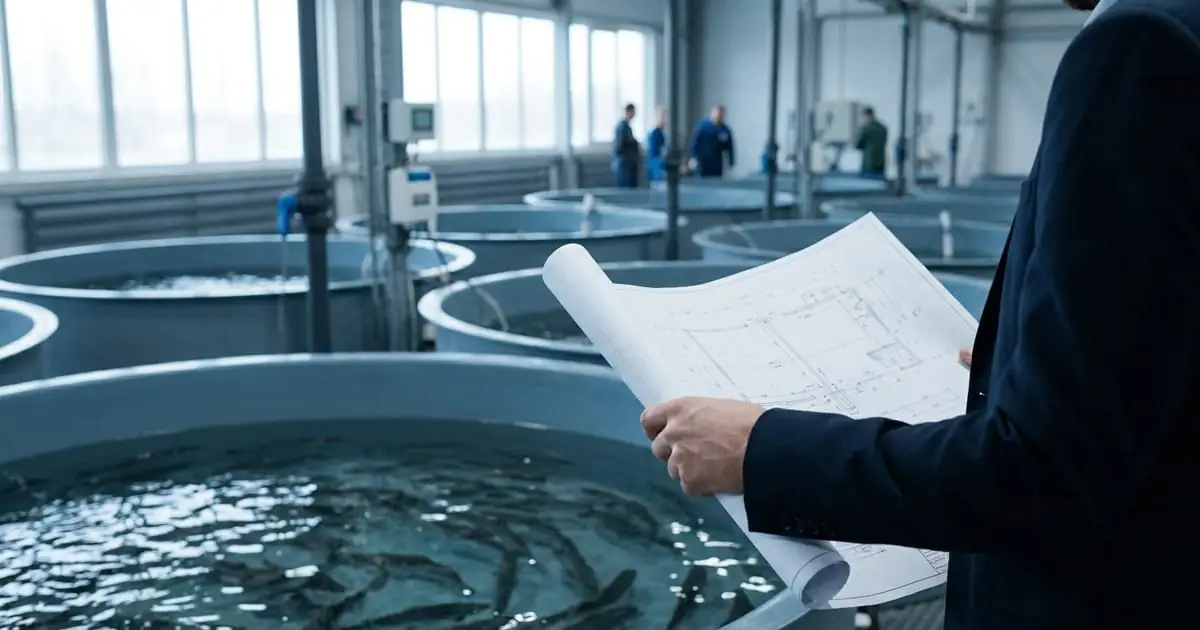
A Complete Aquaculture Feasibility Study Guide: Your Blueprint for a Profitable Fish Farm
The global demand for seafood is experiencing an unprecedented surge, driven by population growth and a growing awareness of fish as a healthy protein source. As wild capture fisheries face increasing pressure and declining stocks, aquaculture—the farming of aquatic organisms—is stepping in to fill the gap. For entrepreneurs, business owners, consultants, and investors, this presents a compelling opportunity.
However, success in this complex industry hinges on meticulous planning and a deep understanding of its intricacies. This is where a comprehensive aquaculture feasibility study becomes your indispensable business blueprint, guiding you through the journey of establishing a profitable fish farm feasibility or even a shrimp farm feasibility project.
At SimpleFeasibility, our team, with backgrounds in corporate finance, venture investment, and small business advisory, understands that a well-executed feasibility study is the bedrock of any successful venture. It's not merely a formality; it's a strategic imperative that illuminates potential pitfalls and charts a clear path to profitability.
This guide will walk you through every critical component of an aquaculture feasibility study, providing the grounded detail and expert insights needed to evaluate your aquaculture opportunity with confidence.

1. Why Aquaculture Now? Seizing the Future of Food Security
Global Demand and Market Growth
The world is hungry for seafood, and aquaculture is poised to satisfy this appetite. The global aquaculture market size reached 86.1 Million Tons in 2025 and is estimated to reach 123.3 Million Tons by 2034, exhibiting a Compound Annual Growth Rate (CAGR) of 4.07% during 2026-2034 [1, IMARC Group].
In terms of value, the market was valued at USD 239.33 billion in 2024 and is predicted to reach around USD 370.54 billion by 2034, expanding at a CAGR of 4.47% from 2025 to 2034 [2, Precedence Research]. Other projections show the market growing from $270.06 billion in 2025 to $359.24 billion in 2030 at a CAGR of 5.9% [3, Research and Markets].
This growth is not just incremental; it's foundational. The Food and Agriculture Organization of the United Nations (FAO) projects that future growth in fish supply will originate almost exclusively from aquaculture, as capture fisheries have been in decline since 1996 [4, FAO].
In 2025, global fisheries and aquaculture production is expected to reach a total of 197 million tonnes, an increase of 1.7% compared with 2024, with aquaculture driving this growth significantly [5, OECD]. Farmed output in 2025 is estimated to increase by 2.7 million tonnes compared to 2024, a rise of 2.7%, with carp, salmon, catfish, and shrimp production expanding [5, OECD].
While the Asia-Pacific region, led by China (accounting for 56% of global aquaculture production in 2022), remains the dominant force with over 90.7% of the total share in 2025, opportunities are emerging globally, particularly with advanced aquaculture systems [6, Cognitive Market Research; 7, Deep Trekker].
For instance, in 2024, aquaculture farming in the EU yielded about 1.0 million tonnes of aquatic organisms, worth €4.6 billion, with Spain, France, Greece, and Italy producing two-thirds of this volume [8, Eurostat]. In the US, however, aquaculture supports only 6% of domestic food demand, presenting a significant growth opportunity given that about 90% of fish consumed by Americans is imported [9, NOAA; 10, IBISWorld].
The Role of Aquaculture in a Sustainable Future
Beyond market demand, aquaculture plays a crucial role in global food security and environmental sustainability. As aquaculture expert Jennifer Bushman highlights, "Aquaculture done right can help support ocean regeneration by allowing depleted fisheries to recover and establishing marine sanctuaries" [11]. This perspective is echoed by the FAO, which underscores aquaculture's importance in feeding a growing population sustainably.
The shift towards aquaculture is akin to the evolution of land-based agriculture, moving towards more controlled and sustainable practices. Modern aquaculture, particularly through innovations like Recirculating Aquaculture Systems (RAS) and the farming of bivalves and seaweed, is actively working to mitigate environmental impacts and promote ocean health [12, Common Misconceptions]. This commitment to sustainability is not just ethical; it's increasingly a prerequisite for market acceptance and investor confidence, a factor critical for any aquaculture feasibility study.
2. The Aquaculture Feasibility Study: Your Essential Business Blueprint
Defining a Feasibility Study for Aquaculture Ventures
An aquaculture feasibility study is a comprehensive assessment that evaluates the practicality and viability of a proposed aquaculture project. It's a deep dive into every aspect of the venture, determining whether it is technically achievable, economically sound, legally permissible, operationally manageable, and capable of being completed within a reasonable timeframe.
Far from being a mere academic exercise, it is a critical risk mitigation tool that informs strategic decisions and lays the groundwork for a robust aquaculture business plan. For founders, business owners, and investors, this study provides the objective data needed to make informed "go/no-go" decisions.
It helps to identify potential obstacles before significant capital is committed, thereby minimizing financial exposure and increasing the likelihood of success. Without a thorough aquaculture feasibility study, an aquaculture venture is essentially navigating blind.
Key Components of a Robust Aquaculture Feasibility Plan
A truly robust aquaculture feasibility study covers a wide array of interconnected elements, ensuring a holistic view of the project's potential. Our team at SimpleFeasibility structures these studies to provide maximum clarity and actionable insights. The critical components typically include:
- Market Analysis: Understanding demand, competition, pricing, and distribution channels for your chosen species. This is vital for any fish farm feasibility report.
- Technical Feasibility: Assessing the practicality of the chosen species, farming system, site, and infrastructure.
- Operational Feasibility: Evaluating the availability of skilled labor, management expertise, and day-to-day operational logistics.
- Regulatory and Environmental Feasibility: Navigating the complex web of permits, licenses, and environmental impact assessments.
- Financial Feasibility: Detailed projections of capital expenditure (CAPEX), operational expenditure (OPEX), revenue, cash flow, and profitability, including breakeven analysis.
- Risk Assessment and Mitigation: Identifying potential biological, market, operational, and regulatory risks, along with strategies to minimize their impact.
This guide will delve into each of these critical aspects, providing you with the framework to conduct a thorough and effective aquaculture feasibility study.
3. Laying the Foundation: Choosing Your Aquaculture Farm Model
The initial decisions regarding species, farming system, and scale are foundational to your entire aquaculture venture. These choices dictate everything from your market reach to your environmental footprint and capital requirements. This section is key to any successful aquaculture business feasibility assessment.

Species Selection: Matching Market to Biology
Choosing the right species is paramount. It involves a delicate balance between market demand, biological suitability, and environmental impact. Common choices include:
- Fin fish: Salmon, trout, tilapia, catfish, barramundi, yellowtail, halibut. These often command higher market prices but also require more intensive management and feed.
- Shellfish: Oysters, mussels, clams. Bivalves are filter feeders, often considered highly sustainable, and can even improve water quality.
- Crustaceans: Shrimp, prawns. High demand globally but can be susceptible to disease and require specific environmental conditions, crucial for a shrimp farm feasibility study.
- Seaweed: Kelp, spirulina. Growing interest for food, feed, biofuels, and pharmaceuticals. Highly sustainable, requiring no freshwater or feed inputs.
According to Dr. William Cheung, Director of the Institute for the Oceans and Fisheries (IOF) at UBC, "Not all aquaculture species are equal; some, like bivalves and seaweed, can deliver significant environmental benefits, while others (like salmon) come with higher trade-offs and are strongly affected by warming waters and deoxygenation" [13]. Your species choice will profoundly influence your market, operational costs, and regulatory pathway, a key consideration for your aquaculture feasibility study.
Aquaculture Systems: From Ponds to RAS
The farming system you select will define your operational environment and technological requirements. Key systems include:
- Pond Systems: Traditional, low-cost, extensive systems. Common for tilapia, catfish, and carp. Requires significant land and can have water quality challenges.
- Raceway Systems: Flow-through systems, often used for trout and salmon. Relies on a continuous flow of fresh water, typically from a river or spring.
- Open-Net Pens/Cages: Used in coastal waters or large freshwater bodies for species like salmon. Cost-effective but face environmental concerns regarding waste discharge, disease transfer, and escapes.
- Recirculating Aquaculture Systems (RAS): Land-based, highly controlled environments where water is filtered and reused. Offers superior biosecurity, environmental control, and reduced water usage. Trend towards land-based RAS is strong due to these benefits and reduced transport emissions [12, Common Misconceptions].
- Offshore Farms: Located further out at sea, aiming for better water quality and reduced coastal impact, but with higher operational challenges and costs.
- Integrated Multi-Trophic Aquaculture (IMTA): Combines different species (e.g., finfish, shellfish, seaweed) to mimic natural ecosystems, where waste from one species becomes food for another, enhancing sustainability. While this guide focuses on traditional aquaculture, similar principles apply to an aquaponics feasibility study, which integrates plant cultivation.
Investment trends strongly favor next-generation land-based production systems like RAS and hybrid flow-through facilities over traditional methods, despite their significant financial and animal welfare challenges [14, Expert Insights].
Determining Your Scale of Operation
The scale of your operation—from small-scale artisanal farms to large industrial complexes—will impact your capital investment, operational efficiencies, and market access. Larger aquaculture farms generally exhibit higher average efficiencies compared to smaller farms, often due to economies of scale in feed purchasing, labor, and equipment utilization [14, Expert Insights].
Consider your target market: are you supplying local restaurants and farmers' markets, or aiming for national distributors and export? Your chosen scale must align with your market strategy and financial capacity. A well-defined aquaculture feasibility study will help you model these different scales.
4. Capital Expenditure (CAPEX) for Your Aquaculture Venture (2026 Projections)
Establishing an aquaculture farm requires significant upfront investment. Accurately projecting Capital Expenditure (CAPEX) is a critical component of any aquaculture feasibility study, providing a clear picture of the initial financial hurdle. These figures are illustrative 2026 projections for a medium-scale operation, and actual costs will vary based on location, technology, and specific requirements.
Site Acquisition and Preparation
- Land/Site Acquisition: This varies wildly by location and access to suitable water. Costs can range from $50,000 to $500,000+ for suitable land with water rights or proximity to a water source.
- Site Preparation: Earthworks, grading, drainage, access roads, fencing, and utility connections (power, water, internet). Expect $50,000 - $300,000+.
Infrastructure and System Development
- Buildings & Infrastructure: This includes the hatchery, grow-out facilities, processing area, cold storage, offices, and staff amenities. For a medium-scale Recirculating Aquaculture System (RAS), this could be $1,000,000 - $5,000,000+.
- RAS Equipment: The heart of a modern land-based farm. This category includes tanks, biofilters, mechanical filters (drum filters, protein skimmers), pumps, aeration systems, oxygenation systems, UV sterilizers, ozone generators, and sophisticated monitoring and control systems. For a medium-scale RAS, budget $750,000 - $3,000,000+.
- Water Source & Treatment: Wells, boreholes, intake pipes, primary filtration, and initial water treatment systems. This can cost $50,000 - $200,000.
- Processing Equipment: Harvesting equipment, grading machines, chilling tanks, ice machines, packaging machinery, and cold storage units. Budget $100,000 - $500,000.
- Vehicles & Logistics: Trucks for feed delivery and product distribution, forklifts, and other farm vehicles. Anticipate $50,000 - $200,000.
Initial Stocking and Contingency
- Initial Stock/Fingerlings: The cost of your first batch of fish, shellfish, or larvae. This varies significantly by species, quantity, and supplier. For example, $20,000 - $100,000+ for fingerlings.
- Permits & Licensing (initial fees): The upfront costs for securing the necessary permits and licenses. This is highly variable by region and species, ranging from $10,000 to $100,000+.
- Contingency (10-20% of total CAPEX): An absolutely essential buffer for unforeseen costs, design changes, or construction delays. For a multi-million dollar project, this could be $200,000 - $1,000,000+.
In summary, the total CAPEX for a medium-scale RAS farm can realistically range from $2.5 million to over $10 million in 2026 dollars, depending on the chosen scale, technology, and location. This substantial initial investment underscores the necessity of a detailed aquaculture feasibility study. For more insights on funding, see our guide on aquaculture financing options.
5. Operational Expenditure (OPEX) in Aquaculture (2026 Projections)
Beyond the initial CAPEX, understanding your ongoing Operational Expenditure (OPEX) is crucial for long-term profitability. These are the recurring costs of running the farm. The following are illustrative annual OPEX projections for a medium-scale operation in 2026, which will be vital for your aquaculture feasibility study.
Feed: The Dominant Cost Driver
- Feed: This is typically the largest single operational cost, often accounting for 40-60% of total OPEX. For a medium-scale farm, annual feed costs could range from $300,000 to $1,500,000+, depending on the species, feed conversion ratio (FCR), and market price. Advancements in feed technology are reducing reliance on expensive fishmeal, with alternatives like insect meal proteins and pea proteins gaining traction [12, Common Misconceptions].
Labor, Energy, and Water
- Labor: Costs for skilled aquaculture technicians, farmhands, processing staff, and management. For a medium-to-large operation, annual labor costs could be $200,000 - $800,000+.
- Energy: A significant cost, especially for RAS, due to continuous pumping, aeration, heating/cooling, and lighting. Annual energy bills can range from $50,000 to $300,000+.
- Water: Costs associated with sourcing, treatment, and discharge fees. While RAS uses less water overall, initial treatment can be high. Annual costs might be $10,000 - $50,000+.
Health, Maintenance, and Administration
- Veterinary & Health: Expenses for disease prevention, vaccinations, health monitoring, and any necessary treatments. Budget $10,000 - $50,000+ annually.
- Maintenance & Repairs: Ongoing upkeep for equipment (pumps, filters, tanks), buildings, and vehicles. Expect $20,000 - $100,000+ annually.
- Insurance: Property insurance, liability insurance, and potentially crop insurance to protect against biological losses. Annual premiums could be $10,000 - $50,000+.
- Marketing & Sales: Costs for packaging, distribution, branding, and promotional activities. Depending on your market strategy, this could be $50,000 - $200,000+ annually.
- Administrative & Office: Salaries for administrative staff, office supplies, accounting, legal services, and other professional fees. Budget $50,000 - $200,000+ annually.
- Regulatory Compliance: Ongoing fees for permits, environmental monitoring, and reporting.
Considering these factors, the total annual OPEX for a medium-scale aquaculture farm can range from $700,000 to over $3,500,000 in 2026 dollars. These figures highlight the need for efficient operations and robust financial planning within your aquaculture feasibility study.
Summary of Illustrative CAPEX & Annual OPEX for a Medium-Scale Aquaculture Farm (2026 Projections)
| Category | Illustrative CAPEX Range | Illustrative Annual OPEX Range |
|---|---|---|
| Site Acquisition & Prep | $100,000 - $800,000 | N/A |
| Infrastructure & Systems (RAS) | $1,850,000 - $8,700,000 | N/A |
| Initial Stock & Permits | $30,000 - $200,000 | N/A |
| Contingency (10-20%) | $200,000 - $1,000,000 | N/A |
| Feed | N/A | $300,000 - $1,500,000+ |
| Labor, Energy, Water | N/A | $260,000 - $1,150,000+ |
| Health, Maint., Admin, Reg. | N/A | $140,000 - $600,000+ |
| Total Estimated Range | $2.5M - $10M+ | $700,000 - $3.5M+ |
Note: These figures are illustrative and highly dependent on specific project details, location, and market conditions. A detailed aquaculture feasibility study will provide precise projections for your unique venture.
6. Revenue Model, Pricing Strategies, and Market Access
A successful aquaculture venture requires not only efficient production but also a clear strategy for bringing your product to market and generating revenue. This section outlines how to define your sales channels, price your products strategically, and position your farm for success. This is a critical part of any aquaculture business feasibility assessment.
Identifying Your Sales Channels
Your choice of sales channels will significantly impact your pricing power, distribution costs, and brand image. Consider a mix of the following:
- Direct-to-Consumer (D2C): Farm stands, local farmers' markets, Community Supported Agriculture (CSA) programs, or online sales. Offers higher margins but requires more effort in marketing and logistics.
- Wholesale: Selling to seafood distributors, processors, or large institutional buyers. Provides larger volumes but often at lower per-unit prices.
- Restaurants: Supplying directly to local or high-end restaurants. Can offer premium pricing for quality and freshness but requires consistent supply and strong relationships.
- Retail Chains: Selling to local or national grocery stores. Requires meeting specific volume, quality, and packaging standards, often with strict delivery schedules.
- Export Markets: For specific high-value species, exporting can open up significant revenue streams but involves complex logistics, certifications, and trade regulations.
Given that the US imports about 90% of its seafood, there's a substantial domestic market opportunity for locally produced aquaculture products [9, NOAA]. Proximity to urban centers can significantly reduce logistics costs and enhance freshness, a key selling point highlighted in a thorough seafood market analysis.
Strategic Pricing for Aquaculture Products
Developing a pricing strategy is a critical element of your aquaculture feasibility study. It should reflect your costs, market demand, and competitive landscape:
- Cost-Plus Pricing: Calculate your total production cost per unit (including CAPEX depreciation and OPEX) and add a desired profit margin. This ensures profitability but might not be competitive.
- Value-Based Pricing: Position your product as premium due to sustainability certifications, superior freshness, local origin, or specific quality attributes (e.g., higher Omega-3 content in farmed salmon due to fortified diets [15, Fulton Fish Market]). This allows for higher prices.
- Competitive Pricing: Benchmark against similar products in your target market, whether wild-caught or imported. Adjust your price to be competitive while maintaining profitability.
Factors influencing price include species, size, quality, freshness, sustainability certifications (e.g., Global Seafood Alliance - GSA), and local versus imported competition. Consider seasonality and market fluctuations, and explore value-added products (e.g., fillets, smoked fish, prepared meals) to increase margins and diversify revenue streams.
Market Positioning and Certifications
How you position your farm and product in the market can create a significant competitive advantage. Highlighting sustainability credentials, such as those recognized by the Global Seafood Alliance (GSA) or adherence to the UN Guidelines for Sustainable Aquaculture, can resonate strongly with environmentally conscious consumers and buyers [16, GSA; 17, NOAA].
Strong branding, transparent communication about farming practices, and engaging with consumers about the benefits of farmed seafood can help overcome common misconceptions (e.g., about farmed fish health or environmental impact) [12, Common Misconceptions]. Your aquaculture feasibility study should clearly define your market positioning and strategy.
7. Breakeven Analysis with Realistic Ramp-Up Curves: A Worked Financial Example
Understanding when your aquaculture venture will become profitable is paramount. A breakeven analysis, combined with realistic production ramp-up curves, provides crucial insights for your aquaculture feasibility study and for potential investors.
Understanding Your Breakeven Point
The breakeven point is the volume of sales (in units or revenue) required to cover all fixed and variable costs, resulting in zero net profit or loss. It's a fundamental metric for assessing financial viability. For aquaculture, this means determining how much fish you need to produce and sell to cover your annual operating expenses and contribute towards your initial investment.
The Importance of Realistic Production Ramp-Up
Aquaculture operations, especially those involving biological systems, do not typically achieve full capacity immediately. There are biological cycles, learning curves, and market penetration challenges. A realistic ramp-up schedule, often spanning 2-4 years to reach full production capacity, is essential for accurate financial projections. Overly optimistic ramp-up curves can lead to significant financial shortfalls and investor disappointment, undermining the accuracy of your aquaculture feasibility study.
Worked Example: Hypothetical RAS Tilapia Farm
Let's illustrate with a hypothetical medium-scale Recirculating Aquaculture System (RAS) Tilapia farm, using 2026 dollar projections.
Assumptions:
- Species: Tilapia (fast-growing, high demand).
- System: Recirculating Aquaculture System (RAS).
- Target Annual Production: 200 metric tons (MT) at full capacity.
- Average Selling Price: $4.50/lb, which translates to approximately $9,920/MT (live weight/whole fish).
- CAPEX (Initial Investment): $3,500,000 (includes land, buildings, RAS equipment, initial stock, permits, and contingency).
- Annual Fixed OPEX: $600,000 (includes salaries for core staff, insurance, administrative costs, depreciation of CAPEX). These costs do not change with production volume.
- Variable OPEX per MT: $4,000/MT (includes feed, energy directly proportional to production, water, processing, packaging proportional to volume). These costs increase with production volume.
- Ramp-Up Schedule:
- Year 1: 40% capacity
- Year 2: 70% capacity
- Year 3: 90% capacity
- Year 4+: 100% capacity
Financial Projections:
- Year 1 (40% Capacity = 80 MT):
- Revenue: 80 MT * $9,920/MT = $793,600
- Variable OPEX: 80 MT * $4,000/MT = $320,000
- Total OPEX: $600,000 (fixed) + $320,000 (variable) = $920,000
- Gross Profit (Loss): $793,600 - $920,000 = -$126,400
- Year 2 (70% Capacity = 140 MT):
- Revenue: 140 MT * $9,920/MT = $1,388,800
- Variable OPEX: 140 MT * $4,000/MT = $560,000
- Total OPEX: $600,000 (fixed) + $560,000 (variable) = $1,160,000
- Gross Profit: $1,388,800 - $1,160,000 = $228,800
- Year 3 (90% Capacity = 180 MT):
- Revenue: 180 MT * $9,920/MT = $1,785,600
- Variable OPEX: 180 MT * $4,000/MT = $720,000
- Total OPEX: $600,000 (fixed) + $720,000 (variable) = $1,320,000
- Gross Profit: $1,785,600 - $1,320,000 = $465,600
- Year 4 (100% Capacity = 200 MT):
- Revenue: 200 MT * $9,920/MT = $1,984,000
- Variable OPEX: 200 MT * $4,000/MT = $800,000
- Total OPEX: $600,000 (fixed) + $800,000 (variable) = $1,400,000
- Gross Profit: $1,984,000 - $1,400,000 = $584,000
Breakeven Calculation (in MT):
Fixed Costs / (Selling Price per MT - Variable Cost per MT)
$600,000 / ($9,920 - $4,000) = $600,000 / $5,920 ≈ 101.35 MT
Conclusion from Example: This hypothetical farm breaks even in terms of annual operational costs at approximately 101.35 MT of production. Based on the ramp-up schedule, this would occur sometime in Year 2. It's important to note that covering the initial CAPEX of $3.5 million would require sustained profitability over several years, demonstrating the long-term investment horizon necessary for aquaculture. This detailed financial modeling is a cornerstone of a robust aquaculture feasibility study.
8. Navigating the Regulatory Landscape and Licensing Requirements
The regulatory environment for aquaculture is notoriously complex and can be a significant barrier to entry if not properly understood and navigated. A thorough aquaculture feasibility study must meticulously map out all applicable regulations and licensing requirements.
The Complex Web of Aquaculture Regulations
In the U.S., over 1,300 federal, state, and local laws apply to aquaculture farms, creating a complex, overlapping, and often inefficient regulatory framework that can hamper growth [18, NOAA]. This involves numerous agencies, including the United States Department of Agriculture (USDA) and the National Oceanic and Atmospheric Administration (NOAA).
Similarly, the EU operates under the Common Fisheries Policy (CFP), aiming for environmentally, economically, and socially sustainable use of common resources, including aquaculture production [8, Eurostat]. Twenty-nine Congressional Acts apply to U.S. Aquaculture, including critical legislation such as the Clean Water Act, Coastal Zone Management Act, and Endangered Species Act [18, NOAA].
Eight federal agencies and the White House have regulatory authorities over U.S. aquaculture, making inter-agency coordination a significant challenge for new ventures [18, NOAA]. Understanding these intricacies is paramount for any aquaculture business feasibility assessment.
Key Permits and Approvals
Depending on your location, species, and farming system, you will likely need a range of permits and approvals:
- Environmental Permits:
- Water discharge permits (e.g., National Pollutant Discharge Elimination System - NPDES under the Clean Water Act).
- Coastal zone management permits (for nearshore or offshore operations).
- Endangered species protection reviews.
- Waste management plans and permits.
- Environmental Impact Assessments (EIAs) for larger projects.
- Operational Permits:
- General business licenses.
- Construction permits for facilities.
- Health and safety certifications.
- Species-specific permits (e.g., for importing or culturing certain non-native species).
- Water rights or abstraction licenses.
Site selection is crucial not only for operational efficiency but also for avoiding environmentally sensitive areas and minimizing regulatory hurdles. Engaging with regulatory bodies early in your aquaculture permits and regulations guide can save significant time and resources.
Government Support and International Standards
While the regulatory landscape is challenging, government support programs exist. The USDA, for instance, offers financial assistance through programs like the Environmental Quality Incentives Program (EQIP) and Conservation Innovation Grants (CIG) for sustainable practices and infrastructure [19, USDA]. They also provide financial support via the Farm Service Agency (FSA) and technical assistance from the Natural Resources Conservation Service (NRCS) [19, USDA].
On an international level, the United Nations endorsed new "Guidelines for Sustainable Aquaculture" in July 2024, developed with NOAA's scientific expertise. These guidelines establish global best practices for environmental, social, and economic sustainability, providing a framework for responsible aquaculture development worldwide [17, NOAA]. Adhering to these standards can enhance your project's reputation and access to certain markets or financing, a positive factor in any aquaculture feasibility study.
9. Key Operational Risks and Mitigation Strategies in Aquaculture
Every business venture carries risks, and aquaculture is no exception. A robust aquaculture feasibility study must thoroughly identify potential challenges and propose concrete mitigation strategies. Ignoring these risks is a recipe for failure.
Biological and Environmental Risks
- Disease Outbreaks: High-density farming can increase the risk of disease transmission.
- Mitigation: Implement stringent biosecurity protocols, use vaccinations where available, maintain optimal water quality, conduct regular health monitoring, and practice fallowing (resting sites between production cycles) [12, Common Misconceptions].
- Water Quality Degradation: Algae blooms, oxygen depletion, ammonia spikes, or external pollution can devastate stock.
- Mitigation: Employ advanced filtration systems (especially in RAS), conduct regular and comprehensive water quality testing, implement robust waste management plans, and ensure adequate aeration/oxygenation.
- Climate Change Impacts: Warming waters, ocean acidification, and increased frequency of extreme weather events (e.g., storms, heatwaves) pose growing threats.
- Mitigation: Careful site selection to minimize exposure, choose climate-resilient species, invest in land-based systems (RAS) that offer greater environmental control, and develop emergency response plans for extreme weather [13, UBC IOF expert Dr. William Cheung].
- Predation: Birds, marine mammals, or other predators can cause stock losses.
- Mitigation: Use predator netting, deterrents, and secure facility design.
Market and Economic Volatility
- Feed Price Volatility: Feed is a major OPEX component, and its price can fluctuate based on global commodity markets.
- Mitigation: Diversify feed sourcing, explore alternative protein sources (e.g., insect meal, pea protein), and secure long-term supply contracts [12, Common Misconceptions].
- Market Price Fluctuations: Supply and demand imbalances, competition from wild-caught or imported fish, and economic downturns can impact selling prices.
- Mitigation: Diversify market channels, develop value-added products to capture higher margins, build strong brand recognition, and monitor market trends closely.
- Logistics and Distribution Challenges: Ensuring fresh product reaches markets efficiently and cost-effectively.
- Mitigation: Establish reliable cold chain logistics, partner with experienced distributors, and consider proximity to target markets during site selection.
Technological and Regulatory Challenges
- Equipment Failure: Pumps, filters, aeration systems, and monitoring equipment are critical and can fail.
- Mitigation: Implement redundancy in critical systems, establish preventative maintenance schedules, maintain spare parts inventory, and develop emergency protocols with trained staff.
- Technological Obsolescence: Rapid advancements can make existing systems less efficient or competitive.
- Mitigation: Plan for technology upgrades, invest in modular systems, and stay abreast of industry innovations.
- Regulatory Changes: New environmental laws, stricter discharge limits, or updated permitting requirements can emerge.
- Mitigation: Stay informed through industry associations, engage proactively with regulatory bodies, and build a buffer into financial plans for potential compliance costs.
By systematically addressing these risks within your aquaculture feasibility study, you demonstrate foresight and a proactive approach to managing the inherent uncertainties of the industry. For a deeper dive, explore our guide on aquaculture risk management strategies.
10. What Investors and Bankers Look For in Aquaculture Ventures
Securing funding is often the most challenging step after completing your aquaculture feasibility study. Investors and bankers scrutinize proposals with a keen eye for risk, return, and operational viability. Our experience at SimpleFeasibility, working with founders and investors, highlights several key areas of focus.
Demonstrating Viability and Management Expertise
- Strong Management Team: This is paramount. Investors want to see proven experience in aquaculture, business management, finance, and operations. A team with a track record of successfully navigating challenges in complex biological systems is highly valued [20, Harvest Returns].
- Comprehensive Feasibility Study & Business Plan: A detailed, realistic business plan, underpinned by a robust aquaculture feasibility study, is non-negotiable. It must include thorough market analysis, technical specifications, operational plans, and most importantly, conservative yet compelling financial projections (CAPEX, OPEX, revenue, cash flow, breakeven, ROI).
- Clear Market Strategy: Investors need to understand your defined target markets, your competitive analysis, and how you will realistically achieve your sales forecasts and pricing strategies. How will you differentiate your product?
Financial Projections and Risk Mitigation
- Realistic Financial Projections: Overly optimistic revenue forecasts or underestimated costs are red flags. Projections should include realistic ramp-up curves, sensitivity analyses for key variables (e.g., feed prices, selling prices), and clear assumptions.
- Robust Risk Assessment & Mitigation: Investors appreciate an honest acknowledgment of biological, operational, market, and regulatory risks, coupled with well-thought-out mitigation strategies. This demonstrates a mature understanding of the business.
- Return on Investment (ROI) & Exit Strategy: For equity investors, a clear path to a significant return on their investment is essential. This might involve an acquisition by a larger company, an IPO, or consistent dividend payouts. For debt financing, the ability to service debt consistently is key.
Sustainability and Market Advantage
- Sustainability Credentials: Evidence of environmentally responsible practices (e.g., RAS technology, low FCR, third-party certifications like GSA) aligns with global trends and investor preferences for ESG (Environmental, Social, and Governance) compliant ventures [17, NOAA, Expert Insights]. This is increasingly a differentiator.
- Scalability and Growth Potential: How can the operation expand? What are the long-term prospects for increased production, market share, or new product development? Investors look for ventures with significant upside.
- Competitive Advantage: What makes your farm unique? Is it proprietary technology, a superior location, a unique species, strong branding, or a cost advantage? A clear competitive edge enhances investment appeal.
- Collateral and Equity (for bankers): For debt financing, tangible assets (land, facilities, equipment) that can serve as collateral are important. Bankers also look for a significant equity investment from the owners, demonstrating commitment and shared risk.
In essence, investors seek a well-researched, professionally presented plan that demonstrates a deep understanding of the aquaculture industry, a competent team, conservative financial projections, and a clear path to profitability and growth. Your aquaculture feasibility study is the primary document that communicates this. Learn more about how to secure aquaculture funding for your project.
11. Frequently Asked Questions (FAQ) About Aquaculture Feasibility
Is aquaculture truly sustainable?
Yes, modern aquaculture practices have made significant strides in sustainability. While past methods had environmental drawbacks, innovations like Recirculating Aquaculture Systems (RAS), combined with the farming of bivalves (oysters, mussels) and seaweed, can be highly sustainable. These systems reduce water usage, minimize waste discharge, and can even contribute to ocean regeneration by alleviating pressure on wild fish stocks and improving water quality [11, Expert Insights; 12, Common Misconceptions]. The UN's 2024 Guidelines for Sustainable Aquaculture provide a global framework for best practices [17, NOAA].
Is farmed fish healthy and safe to eat?
Yes, farmed fish is generally very healthy and safe. It can be as nutritious as, or even richer in, Omega-3 fatty acids than wild-caught fish, thanks to controlled and fortified diets [15, Fulton Fish Market; 12, Common Misconceptions]. Modern farms prioritize water quality monitoring, biosecurity, and often use vaccinations to prevent disease, reducing the need for routine antibiotics. The American Heart Association recommends eating fish, particularly those rich in Omega-3s, twice a week, a recommendation that includes responsibly farmed varieties.
What's the biggest challenge for new aquaculture farms?
New aquaculture farms face several significant challenges. High initial Capital Expenditure (CAPEX) for land, infrastructure, and advanced systems is a major hurdle. Navigating the complex and often overlapping regulatory landscape, which can involve hundreds of federal, state, and local laws, is another substantial challenge. Finally, managing biological risks such as disease outbreaks, maintaining optimal water quality, and ensuring biosecurity are ongoing operational complexities that require expertise and vigilance [14, Expert Insights; 18, NOAA]. A thorough aquaculture feasibility study helps address these challenges proactively.
How long does it take for an aquaculture farm to become profitable?
The timeline to profitability for an aquaculture farm typically ranges from 2 to 5 years. This depends heavily on the species' growth cycles, the efficiency of market penetration, the scale of the initial investment, and the chosen farming system. As demonstrated in our financial example, the first year or two often involves losses as production ramps up and market share is established. Covering the initial CAPEX requires sustained profitability over several years.
Do aquaculture farms harm wild fish populations?
While some older aquaculture practices did raise concerns about their impact on wild fish populations (e.g., through reliance on wild-caught fish for feed), modern advancements are significantly mitigating these issues. Feed technology is rapidly reducing reliance on wild fishmeal and fish oil, incorporating alternative proteins like insect meal and plant-based ingredients [12, Common Misconceptions]. Responsible aquaculture, particularly land-based systems and the farming of lower trophic species like bivalves and seaweed, can actually alleviate pressure on depleted wild fish stocks, contributing to ocean health and biodiversity.
12. Conclusion: Charting Your Course for a Sustainable and Profitable Aquaculture Future
The burgeoning global demand for seafood, coupled with the limitations of wild capture fisheries, positions aquaculture as a vital and increasingly indispensable industry for the future of food security. For those considering entry into this dynamic sector, the opportunities are substantial, but so are the complexities.
This is precisely why a comprehensive aquaculture feasibility study is not merely a recommended step; it is a strategic imperative for any aspiring aquaculture business feasibility assessment, whether for a fish farm, a shrimp farm, or an aquaponics system.
By meticulously analyzing market dynamics, forecasting capital and operational expenditures, projecting realistic revenue streams, understanding the intricate regulatory landscape, and proactively mitigating risks, you can transform a promising idea into a resilient and profitable venture. The insights gained from a thorough aquaculture feasibility study empower you to make informed decisions, attract necessary investment, and navigate the challenges inherent in cultivating aquatic life.
At SimpleFeasibility, we believe that embracing innovation and sustainable practices is key to unlocking the full potential of aquaculture. By doing so, you not only secure your investment but also contribute meaningfully to global food security and environmental stewardship. Let your aquaculture feasibility study be the blueprint that guides you towards a sustainable and profitable future.
Ready to Transform Your Aquaculture Vision into Reality?
Don't leave your aquaculture venture to chance. Partner with SimpleFeasibility to conduct a rigorous and insightful aquaculture feasibility study tailored to your specific project. Our expert team provides the clarity and confidence you need to make informed decisions and secure your investment.
Contact SimpleFeasibility Today for Your Aquaculture Feasibility Study!
About the Author
The SimpleFeasibility Editorial Team comprises professionals with extensive backgrounds in corporate finance, venture investment, and small business advisory. Our articles are peer-reviewed for technical accuracy and designed to provide actionable insights for entrepreneurs and investors navigating complex business opportunities.
Sources & References
- IMARC Group. (2025). Aquaculture Market: Global Industry Trends, Share, Size, Growth, Opportunity and Forecast 2026-2034.
- Precedence Research. (2024). Aquaculture Market Size, Share, Growth, Trends, & Forecasts 2025-2034.
- Research and Markets. (2024). Global Aquaculture Market Report 2024.
- Food and Agriculture Organization of the United Nations (FAO). (2024). The State of World Fisheries and Aquaculture (SOFIA) 2024.
- Organisation for Economic Co-operation and Development (OECD). (2024). OECD-FAO Agricultural Outlook 2024-2033.
- Cognitive Market Research. (2024). Aquaculture Market Report.
- Deep Trekker. (2024). Global Aquaculture Market Size.
- Eurostat - European Commission. (2024). Fisheries and aquaculture statistics.
- National Oceanic and Atmospheric Administration (NOAA). (2024). Aquaculture in the U.S.
- IBISWorld. (2024). Fish & Seafood Aquaculture Farms in the US - Market Size 2005–2026.
- Bushman, Jennifer. (Aquaculture expert, various interviews and publications).
- Common Misconceptions about Aquaculture (Compiled from various industry sources and expert statements).
- Cheung, William. (Director, Institute for the Oceans and Fisheries, University of British Columbia - UBC IOF, various statements and research).
- Expert Insights (Compiled from various industry reports, academic papers, and aquaculture conferences).
- Fulton Fish Market. (2024). Farmed Salmon vs. Wild Salmon.
- Global Seafood Alliance (GSA). (2024). Best Aquaculture Practices (BAP) standards.
- National Oceanic and Atmospheric Administration (NOAA). (2024). UN Endorses New Guidelines for Sustainable Aquaculture.
- National Oceanic and Atmospheric Administration (NOAA). (2024). U.S. Aquaculture Policy and Regulation.
- United States Department of Agriculture (USDA). (2024). Aquaculture programs and support.
- Harvest Returns. (2024). What Investors Look For in Aquaculture.