A Complete Gas Station Feasibility Study Guide for 2026: CAPEX, OPEX, Revenue, and Future-Proofing Your Fuel Station Business
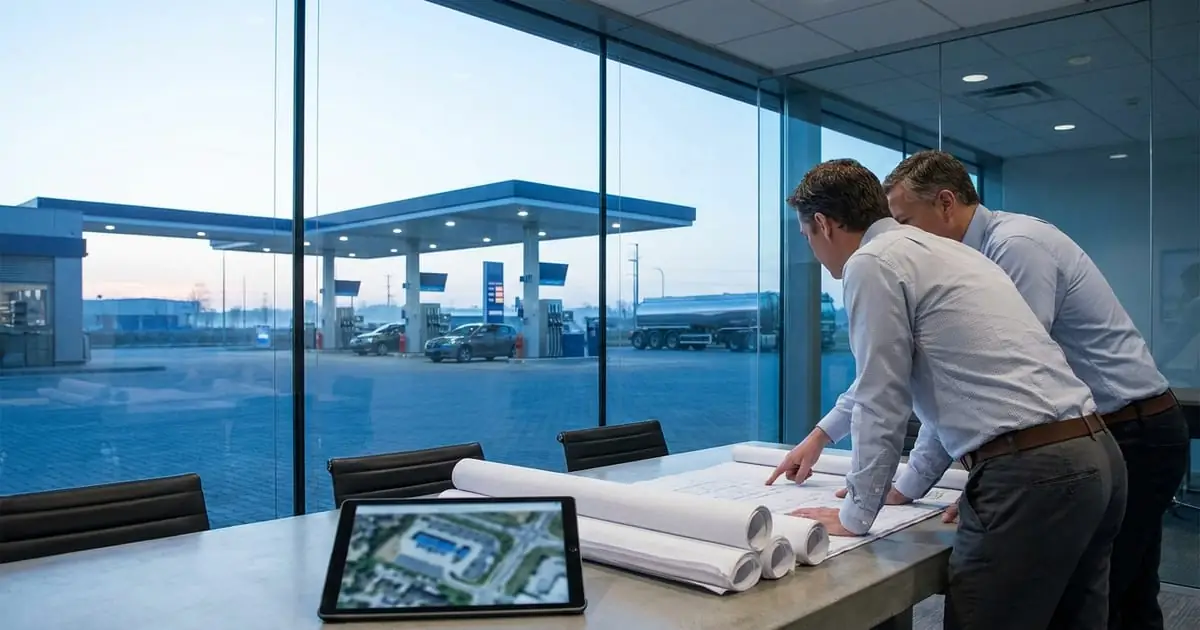
1. Introduction: Why a Gas Station Feasibility Study is Critical Now More Than Ever
The landscape of the retail fuel industry is undergoing a profound transformation. What was once a relatively stable business model, primarily driven by fuel sales, is now navigating significant shifts in consumer behavior, technological advancements, and environmental mandates. For anyone considering an investment in this sector, a comprehensive gas station feasibility study is not just recommended; it is absolutely critical for mitigating risks and identifying genuine opportunities in the evolving market. This detailed analysis is key to understanding the viability of any new **petrol station feasibility** project.
Navigating a Transforming Industry
Projections from the U.S. Energy Information Administration (EIA) indicate that U.S. motor gasoline consumption is expected to decline by 1% in 2025 compared to 2024, with this trend continuing into 2026 and 2027. This reduction is attributed to increasing vehicle fuel efficiency and a slowing growth in vehicle miles traveled (VMT). Simultaneously, the rise of electric vehicles (EVs) is accelerating, with global EV sales exceeding 20% in 2024 and projected to surpass 40% by 2030, according to the International Energy Agency (IEA) (1, 2).
These shifts present both challenges and opportunities for any **fuel station feasibility** assessment. While fuel profits are projected to drop significantly—up to 60% in EV-dominant markets by 2035, according to Boston Consulting Group (BCG)—the convenience store (C-store) component of gas stations is proving to be a resilient profit driver (3, 4). The industry is evolving from merely a "gas station" to a "service station," emphasizing diversified offerings and enhanced customer experiences. A thorough **gas station business feasibility** analysis must account for these changes.
The Purpose of This Guide for Your Gas Station Feasibility Study
This guide provides a detailed roadmap for conducting a robust **gas station feasibility study** in the current and near-future market. Our team at SimpleFeasibility, with backgrounds in corporate finance, venture investment, and small business advisory, understands the complexities involved in evaluating new business ventures. We aim to equip founders, business owners, consultants, and investors with the knowledge to make informed decisions for their **petrol station feasibility** projects.
We will delve into the essential components of a thorough feasibility analysis: detailed financial projections covering Capital Expenditure (CAPEX) and Operational Expenditure (OPEX), robust revenue modeling, a deep dive into regulatory hurdles, and crucial strategies for future-proofing your investment against industry changes. By the end of this guide, you will have a clearer understanding of the potential, pitfalls, and pathways to success in the evolving retail fuel industry, ensuring your **service station feasibility** is thoroughly evaluated.
2. Market Overview and Key Industry Trends for 2026: Essential for Your Gas Station Feasibility Study
Understanding the current market dynamics and future trends is the bedrock of any sound **gas station feasibility study**. The industry is in flux, driven by shifts in energy consumption, evolving consumer preferences, and technological advancements. This section provides critical context for evaluating **fuel station feasibility**.
Fuel Consumption & Pricing Dynamics
The era of consistently growing fuel demand appears to be behind us. As noted, the U.S. Energy Information Administration (EIA) forecasts a continued decline in motor gasoline consumption through 2026 and 2027. This is largely due to improvements in vehicle fuel economy, which improved by 1.9% in 2025, and a deceleration in vehicle miles traveled (VMT) growth (1).
From a pricing perspective, the EIA projects the national average regular gasoline price to fall below $3.00 per gallon in 2026, marking the lowest annual average since 2020. Retail diesel prices are also expected to decrease, forecast around $3.50 per gallon in 2026. While lower prices might seem beneficial for consumers, they often squeeze already thin profit margins for retailers, especially given the high wholesale purchase costs (1).
IBISWorld data indicates that the gas station industry's revenue is expected to grow by 1.9% in 2026, reaching $122.2 billion. However, profit margins remain notably slim, averaging around 1.8% across the sector (5). For independently operated U.S. convenience stores selling gasoline—which account for over 97% of the total—the net profit per gallon is typically about 1% of the pump price (6, 7). These figures are crucial for any **gas station business feasibility** assessment.
The Rise of Convenience Stores and Non-Fuel Revenue
The narrative for profitability in the retail fuel sector has decisively shifted from the pump to the store. The National Association of Convenience Stores (NACS) reports that approximately 80% of all gas stations now feature a convenience store (C-store) on site. Critically, while these C-stores typically account for around 30% of a station's total revenue, they generate an impressive 70% of its profit (8). This makes C-store performance a cornerstone of **petrol station feasibility**.
The key to C-store success lies in high-margin merchandise. As of November 2025, NACS data shows that 73% of in-store merchandise transactions are concentrated in packaged beverages (34.1%), beer (11.2%), and nicotine products (27.9%) (9). However, even this segment faces evolving challenges, such as the significant growth of vape shops, which expanded by 40% between 2022 and 2023, siphoning sales from traditional C-stores (10).
Expert insights underscore this trend: "Growing the 'basket in-store' will be crucial in 2026, as fewer trips to the C-store necessitate increasing merchandise and food purchases," according to industry analysts (11).
The Electric Vehicle (EV) Impact and Future Outlook
The rapid adoption of electric vehicles represents the most significant long-term disruptor to the traditional gas station model. Global electric car sales surpassed 20% of the total market in 2024, with the IEA projecting this share to exceed 40% by 2030 (2). This trend is a major consideration for any forward-looking **gas station feasibility study**.
The implications for fuel retailers are stark. Boston Consulting Group (BCG) analysis suggests that up to 25% of existing fuel stations could close by 2035, with fuel profits declining by 30-60% in markets where EV adoption is high (3, 4). Total fuel retail profits are projected to drop by 30% by 2035 (3).
However, this transition also presents a unique opportunity. EV owners tend to spend more time at charging locations and, consequently, more money in associated convenience stores. Expert insights reveal that EV owners enter convenience stores at rates 45% higher than gasoline customers, with their average food spend rising by 25% (11). This extended dwell time (15-30 minutes for charging) shifts the economic model from thin fuel margins to potentially stronger retail margins (12).
Gas stations are naturally positioned to become key EV charging hubs, especially along major roadways. The federal NEVI (National Electric Vehicle Infrastructure) program, which aims for 500,000 chargers nationwide by 2030, already sees 65% of its funding recipients as fuel retailers, highlighting their strategic advantage (13). Integrating EV charging is a vital aspect of modern **service station feasibility**.
3. Capital Expenditure (CAPEX) for a Gas Station in 2026: A Core Element of Your Feasibility Study
The initial investment, or Capital Expenditure (CAPEX), for establishing a new gas station can be substantial and varies widely based on location, size, and amenities. A precise CAPEX analysis is a cornerstone of any robust **gas station feasibility study**.
Land & Site Development Costs
The cost of land is arguably the most variable component of CAPEX. A prime corner lot with high traffic visibility in an urban or suburban area will command a significantly higher price than a rural location. Land acquisition costs can range from $500,000 in rural settings to over $3,000,000 in prime urban locations (14).
Once the land is acquired, site work and development are necessary. This includes grading, excavation, utility connections (water, sewer, electricity, gas, internet), paving for driveways and parking, and landscaping. These costs typically fall between $200,000 and $700,000, depending on the site's existing conditions and the complexity of the development (14). These are critical figures for any **petrol station feasibility** assessment.
Construction & Infrastructure
Building the convenience store is another major CAPEX item. The cost will depend on the building's size, architectural design, quality of materials, and the range of amenities offered (e.g., restrooms, seating areas, kitchen facilities for prepared foods). A standard C-store construction can range from $500,000 to $1,500,000 (14).
The fuel dispensing system is a specialized and costly infrastructure component. This includes the installation of double-walled Underground Storage Tanks (USTs) to meet environmental regulations, fuel pumps (dispensers), the canopy structure over the pumps, and point-of-sale (POS) systems integrated with the fuel system. Vapor recovery systems are also mandatory in many jurisdictions. The total cost for a complete, compliant fuel dispensing system can range from $400,000 to $1,000,000 (14). This is a significant factor in **fuel station feasibility**.
Equipment & Initial Inventory
Beyond the structural elements, various equipment is needed for both fuel and C-store operations. This includes refrigeration units, shelving, display cases, coffee machines, food service equipment (if offering prepared foods), security systems, office equipment, and additional POS terminals. These costs can vary, but a reasonable estimate is $100,000 to $300,000 for a well-equipped C-store.
Initial inventory for both fuel and C-store merchandise is also a significant upfront cost. This can range from $100,000 to $300,000, depending on the volume of fuel expected and the variety and quantity of C-store products stocked (14).
Permits, Fees & Working Capital
Navigating the regulatory landscape incurs substantial costs. This includes fees for various permits and licenses (federal, state, local), environmental assessments, architectural and engineering services, legal counsel, and franchise fees if operating under a brand. These professional fees and permits can easily add $100,000 to $400,000 to the initial CAPEX (14). Such costs are vital for a complete **gas station business feasibility** analysis.
Finally, it's crucial to allocate funds for contingency and working capital. A contingency fund covers unforeseen construction delays or cost overruns, while working capital provides a buffer for initial operational expenses before the business achieves positive cash flow. We recommend allocating $150,000 to $500,000 for these essential buffers (14).
Optional: EV Charging Infrastructure
Given the industry trends, integrating EV charging infrastructure is becoming less "optional" and more of a strategic imperative. For 2-4 DC fast chargers (Level 3), the equipment and installation costs can range from $150,000 to $600,000+, not including potential utility upgrades to handle the increased power demand. These costs can be partially offset by federal and state incentives, as discussed in Section 6 (14). This is a key consideration for **service station feasibility** in the modern era.
Total Estimated CAPEX (New Build, 2026) for a Gas Station Feasibility Study
Excluding the optional EV charging infrastructure, the total estimated Capital Expenditure for a new gas station build in 2026 can range from approximately $1,950,000 to over $7,400,000. This wide range underscores the highly location-dependent and specification-dependent nature of these projects. A detailed site-specific analysis is essential for an accurate **gas station feasibility study**.
CAPEX Breakdown (Illustrative Ranges for a New Build Gas Station, 2026)
| Category | Estimated Cost Range | Notes |
|---|---|---|
| Land Acquisition | $500,000 - $3,000,000+ | Highly variable by location (rural vs. urban/prime) |
| Site Work & Development | $200,000 - $700,000 | Grading, utilities, paving, landscaping |
| C-store Building Construction | $500,000 - $1,500,000 | Size, design, amenities |
| Fuel Dispensing System | $400,000 - $1,000,000 | USTs, pumps, canopy, POS integration, vapor recovery |
| Initial Equipment & Fixtures | $100,000 - $300,000 | Refrigeration, shelving, food service, security |
| Initial Inventory (Fuel & C-store) | $100,000 - $300,000 | Fuel stock, C-store merchandise |
| Permitting, Licensing & Professional Fees | $100,000 - $400,000 | Architects, engineers, environmental, legal, permits |
| Contingency & Working Capital | $150,000 - $500,000 | Unforeseen costs, operational buffer |
| Subtotal (Excluding EV Charging) | $1,950,000 - $7,400,000+ | |
| Optional: EV Charging Infrastructure | $150,000 - $600,000+ | For 2-4 DC fast chargers, excluding utility upgrades. Consider this for **petrol station feasibility**. |
4. Operational Expenditure (OPEX) for a Gas Station in 2026: A Key Part of Your Feasibility Study
Beyond the initial capital outlay, understanding the ongoing Operational Expenditure (OPEX) is crucial for assessing the long-term viability and profitability of a gas station. While the Cost of Goods Sold (COGS) for fuel and merchandise is the largest expense, it is distinct from OPEX and will be addressed in the revenue section. Here, we focus on the recurring costs of running the business, which are vital for a comprehensive **gas station feasibility study**.
Labor & Staffing Costs
Staffing is a primary OPEX component. A typical gas station and convenience store operation requires a manager and several cashiers/stockers to cover various shifts. Depending on the station's operating hours, local wage rates, and benefits, monthly labor costs can range from $15,000 to $30,000 or more (14). These figures are essential for evaluating **gas station business feasibility**.
Utilities & Maintenance
Utilities are a significant ongoing expense. Electricity powers lighting, refrigeration units (a major draw), fuel pumps, and POS systems. Water, gas (for heating/cooling), and internet services also contribute. Monthly utility bills can range from $2,000 to $6,000, varying with station size, climate, and energy efficiency (14).
Regular maintenance and repairs are essential to ensure smooth operations and compliance. This includes routine checks and maintenance for Underground Storage Tanks (USTs) and dispensers, general building upkeep, landscaping, and servicing POS systems. Budgeting $1,000 to $3,000 per month for these items is prudent (14).
Credit Card Processing Fees
A major and often underestimated operational cost for gas stations is credit card processing fees. Given the high transaction volumes and relatively low margins on fuel, these fees can significantly erode profitability. Typically ranging from 2% to 3% of fuel sales, plus fixed per-transaction fees, these costs can accumulate to $5,000 to $15,000 or more per month, depending on sales volume (14). This is a critical factor in **petrol station feasibility**.
Insurance, Taxes & Compliance
Insurance is a multifaceted expense, covering property, general liability, and crucial environmental liability insurance to protect against potential spills or UST issues. These premiums can range from $1,000 to $4,000 per month (14).
Property taxes (if owned) or rent (if leased) represent a substantial fixed cost. Monthly rent or mortgage payments for a financed property can range from $10,000 to $40,000+, depending on location and property value (14).
Regulatory compliance and testing fees are ongoing. This includes environmental testing for USTs, various permits, and reporting requirements mandated by federal, state, and local authorities. Budgeting $500 to $2,000 per month for these compliance costs is necessary (14). Such costs are integral to any **fuel station feasibility** assessment.
Other Operational Expenses for Your Gas Station Feasibility Study
- Marketing & Advertising: $500 - $2,000/month for local promotions, loyalty programs, and signage (14).
- Security: $300 - $1,000/month for surveillance systems, alarm monitoring, and security personnel (14).
- Miscellaneous: $500 - $1,500/month for office supplies, cleaning supplies, professional services, and other unforeseen expenses (14).
Total Estimated Monthly OPEX (Medium Station, 2026)
For a medium-sized gas station and convenience store in 2026, excluding the Cost of Goods Sold (COGS), the total estimated monthly Operational Expenditure can range from approximately $36,800 to over $104,500. This range highlights the importance of meticulous financial planning in a **gas station feasibility study**, as these recurring costs directly impact the breakeven point and overall profitability. A thorough **service station feasibility** analysis must account for these expenses.
OPEX Breakdown (Illustrative Monthly Ranges for a Medium Gas Station, 2026)
| Category | Estimated Monthly Cost Range | Notes |
|---|---|---|
| Labor & Staffing | $15,000 - $30,000+ | Manager, cashiers/stockers, wages, benefits |
| Utilities | $2,000 - $6,000 | Electricity, water, gas, internet |
| Credit Card Processing Fees | $5,000 - $15,000+ | 2-3% of fuel sales, plus fixed fees |
| Rent/Mortgage | $10,000 - $40,000+ | Property lease or financing costs |
| Insurance | $1,000 - $4,000 | Property, general liability, environmental liability |
| Maintenance & Repairs | $1,000 - $3,000 | USTs, dispensers, building, landscaping, POS |
| Regulatory Compliance & Testing | $500 - $2,000 | Environmental testing, permits, reporting |
| Marketing & Advertising | $500 - $2,000 | Local promotions, loyalty programs |
| Security | $300 - $1,000 | Cameras, alarm systems |
| Miscellaneous | $500 - $1,500 | Office supplies, cleaning, unforeseen |
| Total Estimated Monthly OPEX (Excluding COGS) | $36,800 - $104,500+ |
5. Revenue Model and Pricing Strategy for Your Gas Station Feasibility Study
Developing a robust revenue model is paramount for a successful **gas station feasibility study**. The traditional view of gas stations as solely fuel retailers is outdated; the modern model emphasizes diversified income streams and strategic pricing. This section explores how to optimize revenue for **petrol station feasibility**.
Fuel Sales: The Low-Margin Anchor
Fuel sales remain the primary revenue driver in terms of gross volume, but they are characterized by notoriously thin margins. As previously noted, the net profit for independently operated stations is often just pennies per gallon, sometimes less than 2% of the pump price (7). With the EIA projecting national average regular gasoline prices under $3.00 per gallon in 2026, retailers face constant pressure to maintain competitiveness while covering high wholesale costs (1).
Fuel pricing is a delicate balance. Stations often employ:
- Competitive Pricing: Matching or slightly undercutting local competitors to attract volume.
- Cost-Plus Pricing: Adding a fixed margin per gallon to the wholesale cost.
- Dynamic Pricing: Adjusting prices multiple times a day based on local demand, competition, and wholesale price fluctuations, often facilitated by real-time data.
The goal is to drive traffic to the site, hoping customers will then patronize the higher-margin convenience store. This strategy is key for **fuel station feasibility**.
Convenience Store: The Profit Driver
The convenience store (C-store) is the true engine of profitability for most gas stations. NACS data confirms that C-store sales, while accounting for only about 30% of total revenue, generate approximately 70% of a station's profits (8). This stark contrast highlights the strategic importance of optimizing C-store operations for **gas station business feasibility**.
Key high-margin items include:
- Packaged Beverages: Soft drinks, energy drinks, bottled water (34.1% of transactions) (9).
- Beer: A consistent performer (11.2% of transactions) (9).
- Nicotine Products: Cigarettes, cigars, smokeless tobacco, and increasingly, vape products (27.9% of transactions) (9).
- Snacks & Confectionery: Impulse buys with good margins.
Pricing strategies for C-store items typically involve standard retail markups, but can also include promotional pricing (e.g., "buy one, get one free"), bundle deals, and loyalty program discounts to encourage higher basket sizes.
Expert insights emphasize that "growing the 'basket in-store' will be crucial in 2026," meaning stations must focus on increasing the average spend per customer visit (11).
Diversification: Beyond Fuel and Snacks for Enhanced Service Station Feasibility
To future-proof and enhance profitability, modern gas stations are increasingly diversifying their revenue streams:
- Car Washes: Often high-margin, especially automated systems.
- ATMs: Generating transaction fees.
- Lottery Tickets: Driving foot traffic and earning commissions.
- Propane Exchange: A steady ancillary service.
- Rental Services: Truck or trailer rentals.
- Food Service: Prepared foods (e.g., hot dogs, pizza, sandwiches, coffee bars) offer significantly higher margins than packaged goods. This segment is growing rapidly.
- EV Charging: While initial revenue might be modest, it positions the station for future demand and attracts high-spending EV customers to the C-store (12).
The shift towards a "service station" model, offering a variety of amenities beyond just fuel, is key to long-term viability. This comprehensive approach to revenue generation is a critical component of any forward-looking **gas station feasibility study**.
6. Regulatory and Licensing Requirements: A Critical Aspect of Gas Station Feasibility
Navigating the complex web of federal, state, and local regulations is a critical, often daunting, aspect of establishing and operating a gas station. Failure to comply can result in substantial fines, operational shutdowns, and environmental liabilities. A thorough **gas station feasibility study** must include a detailed regulatory compliance plan, especially for **petrol station feasibility** projects.
Federal Regulations (U.S. EPA & OSHA)
The U.S. Environmental Protection Agency (EPA) is the primary federal authority overseeing environmental aspects of gas station operations:
- Underground Storage Tanks (USTs): Regulated under the Resource Conservation and Recovery Act (RCRA), 40 CFR Part 280 mandates strict requirements for UST construction (e.g., double-walled tanks), leak detection, monitoring, and spill prevention. Routine testing of soil and groundwater is often required (15).
- Clean Air Act (CAA): Requires gas stations to implement vapor recovery systems to capture Volatile Organic Compound (VOC) emissions during refueling, reducing air pollution (15).
- Spill Prevention, Control, and Countermeasure (SPCC) Plans: Required for facilities storing fuel above certain federal thresholds, detailing measures to prevent, control, and clean up oil spills (15).
- Hazardous Waste Management: Proper handling, storage, and disposal of hazardous waste (e.g., used oil, filters, chemicals) must comply with EPA regulations, including labeling, storage time limits, and manifesting (15).
The Occupational Safety and Health Administration (OSHA) also sets standards for worker safety, including requirements for handling hazardous materials, emergency preparedness, and general workplace conditions (15). These are fundamental for **fuel station feasibility**.
State-Specific Environmental Laws
Many states have environmental regulations that are more stringent than federal requirements. For example, California's Replacing, Removing, or Upgrading Underground Storage Tanks (RUST) Law (Senate Bill 445) mandated that older single-walled USTs be permanently closed or replaced with modern double-walled systems by December 31, 2025 (15). As of January 1, 2026, enforcement actions are underway, leading to closures of non-compliant stations and potential daily fines or "red tag" orders (15).
States like California also enforce rigorous air quality standards, requiring specific permits for vapor recovery systems on pumps and adherence to fuel type regulations, which can add significant operational complexity and cost (15). Understanding these is crucial for **gas station business feasibility**.
Local Permits and Zoning for Your Service Station Feasibility
Local authorities (city or county) impose numerous requirements:
- General Business Licenses: Required for operation, often including local business registration and tax registration.
- Zoning Laws: Dictate where fuel stations can be constructed, addressing concerns related to noise, traffic, and compatibility with surrounding land uses. Obtaining zoning approval is a critical initial step.
- Building Permits and Codes: Necessary before any construction or significant renovation, ensuring compliance with local building codes and requiring a certificate of occupancy upon completion.
- Fire Safety Permits and Inspections: Mandatory due to the highly flammable nature of fuel.
- Signage Permits: Many municipalities regulate the size, type, and lighting of signage.
- Food Service Permits: Required if the convenience store sells prepared food items.
As expert insights highlight, "Proactive planning, experienced consultation, and community engagement are key to navigating fuel station permitting challenges" (16). This applies directly to any **gas station feasibility study**.
Incentives for EV Charging Infrastructure
Recognizing the need to accelerate EV adoption, governments offer various incentives for installing charging infrastructure. The federal NEVI program, which aims for 500,000 EV chargers nationwide by 2030, provides significant funding, with gas stations being key recipients due to their strategic highway locations (13, 15). Many states and local municipalities also offer rebates, tax credits, or grants for EV charger installation, which can substantially offset CAPEX.
Understanding and budgeting for these regulatory and licensing requirements, including potential incentives, is paramount for an accurate and viable **gas station feasibility study**.
7. Key Operational Risks and Mitigation Strategies for Your Gas Station Feasibility Study
Every business venture carries inherent risks, and the gas station industry, particularly in its current transformative state, is no exception. Identifying and developing mitigation strategies for these risks is a crucial component of a comprehensive **gas station feasibility study**.
Declining Fuel Demand & EV Transition Risk
Risk: U.S. gasoline consumption is projected to continue declining due to increased fuel efficiency and EV adoption (1). This directly impacts the core revenue stream of traditional gas stations. BCG projects total fuel retail profits to drop by 30% by 2035, with up to 25% of stations potentially closing (3, 4).
Mitigation: Diversify revenue streams aggressively. Invest in expanding the convenience store, adding high-margin services like car washes, and critically, integrating EV charging infrastructure. As expert insights suggest, "The gas station of the future may not sell gas in 30 years," necessitating a pivot to a "service station" model (11). This is a vital consideration for **petrol station feasibility**.
Thin Margins & Credit Card Fees
Risk: Profit margins in the gas station industry average a slim 1.8% (5). Fuel sales often yield only pennies per gallon (7). High credit card processing fees (2-3% of sales) can further erode these already tight margins, especially with high-volume, low-value fuel transactions (14).
Mitigation: Focus relentlessly on increasing C-store sales, which account for 70% of profits (8). Implement loyalty programs to encourage repeat business and higher in-store spend. Optimize fuel pricing strategies dynamically. Explore cash discounts for fuel to reduce credit card fee exposure. Implement efficient inventory management to minimize waste and maximize turns. "Efficient cost management and exploring additional revenue streams are essential strategies for improving slim profit margins," according to industry experts (16). This is key for **fuel station feasibility**.
Environmental & Regulatory Compliance Risks
Risk: Gas stations face stringent environmental regulations, particularly concerning Underground Storage Tanks (USTs). Leaks, spills, or improper hazardous waste management can lead to massive cleanup costs, fines, and legal liabilities. State-specific laws, like California's RUST law, can mandate costly upgrades or lead to closures if not met by deadlines (15).
Mitigation: Strict adherence to EPA and state-specific regulations is paramount. Implement robust leak detection systems, conduct regular environmental testing, and maintain comprehensive environmental liability insurance. Budget proactively for mandated upgrades (e.g., double-walled USTs) and consult environmental experts to ensure ongoing compliance. Proactive planning is key (16). This is a major factor in **gas station business feasibility**.
Competition & Market Volatility
Risk: The market can be saturated, with intense competition from large chain operators, hypermarkets, and even independent stations. Price wars can quickly erode profits. Volatility in wholesale fuel prices can also make forecasting challenging.
Mitigation: Differentiate your station through superior customer service, unique C-store offerings (e.g., high-quality prepared foods), amenities (e.g., clean restrooms, free Wi-Fi), and loyalty programs. Monitor local competitor pricing closely and adapt swiftly. "The competitive edge is shifting from location and price to experience, relevance, and operational excellence," experts note (11). This is crucial for **service station feasibility**.
Operational Inefficiencies & Security
Risk: Poor inventory management, outdated POS systems, and manual processes can lead to shrinkage, inaccurate reporting, and inefficient operations. Security risks like theft, vandalism, and fraud are also prevalent.
Mitigation: Invest in modern Point-of-Sale (POS) systems and integrated inventory management software to streamline operations and provide real-time data. Implement robust security measures, including high-quality surveillance cameras, adequate lighting, and staff training on loss prevention. Regular audits and strong internal controls can minimize fraud. Expert insights suggest that a quarter of retailers plan to upgrade POS systems soon (11).
Common Misconception: Many believe that "gas station owners make a large profit from fuel sales." The reality is that margins are typically very thin, often just pennies per gallon, making high volume and strong C-store performance essential for overall profitability (17). This is a key takeaway for any **gas station feasibility study**.
By thoroughly analyzing these risks and developing concrete mitigation strategies, a **gas station feasibility study** can provide a more realistic and robust outlook for potential investors.
8. Breakeven Analysis and Worked Financial Example (2026 Projections) for Your Gas Station Feasibility Study
A breakeven analysis is a critical component of any **gas station feasibility study**, determining the sales volume required to cover all costs. This worked example provides an illustrative financial model for a hypothetical medium-sized gas station in 2026, highlighting the interplay between fuel and C-store sales. This section is vital for understanding **petrol station feasibility** from a financial perspective.
Assumptions for the Financial Model (Illustrative Medium Station, 2026)
To simplify this example, we'll make the following assumptions for our **fuel station feasibility** model:
- Average Daily Fuel Volume: 5,000 gallons
- Average Fuel Margin: $0.15 per gallon (net after wholesale COGS)
- Average Daily C-Store Sales: $2,500
- Average C-Store Gross Margin: 35%
- Monthly OPEX (excluding COGS): $50,000 (from Section 4's lower-mid range)
- Initial CAPEX (simplified for example): $2,500,000 (for illustrative debt service calculation, not directly in monthly breakeven)
- Loan Terms (for mortgage/debt service portion of OPEX): 7% interest, 20-year amortization. (Note: A portion of the $50,000 OPEX would cover debt service, but for simplicity, we treat $50,000 as total OPEX).
Projected Revenue Calculation for Your Gas Station Business Feasibility
- Monthly Fuel Revenue (Gross): 5,000 gallons/day * 30 days * $3.00/gallon (EIA 2026 projection) = $450,000
- Monthly C-Store Revenue: $2,500/day * 30 days = $75,000
- Total Monthly Gross Revenue: $450,000 (Fuel) + $75,000 (C-Store) = $525,000
Projected Cost Calculation
- Monthly Fuel COGS: Gross Fuel Revenue - (Total Gallons * Fuel Margin) = $450,000 - (150,000 gallons * $0.15/gallon) = $450,000 - $22,500 = $427,500
- Monthly C-Store COGS: C-Store Revenue * (1 - C-Store Gross Margin) = $75,000 * (1 - 0.35) = $75,000 * 0.65 = $48,750
- Total Monthly COGS: $427,500 (Fuel) + $48,750 (C-Store) = $476,250
- Total Monthly OPEX (excluding COGS): $50,000
- Total Monthly Costs (COGS + OPEX): $476,250 + $50,000 = $526,250
Profit/Loss
- Monthly Net Profit/Loss: Total Monthly Gross Revenue - Total Monthly Costs = $525,000 - $526,250 = -$1,250 (Monthly Loss)
This illustrative example demonstrates the extremely slim margins in the industry, where even a seemingly healthy volume can result in a loss if costs are not tightly controlled or if C-store performance isn't strong enough. This underscores the critical need for a detailed **gas station feasibility study**.
Breakeven Point Determination for Service Station Feasibility
To determine the breakeven point, we need to cover all fixed and variable costs. In our simplified model, the "fixed" portion of our costs (OPEX) is $50,000. The gross profit generated from sales needs to cover this OPEX.
- Monthly Gross Profit from C-Store: $75,000 (Revenue) * 35% (Margin) = $26,250
- Remaining OPEX to Cover from Fuel Gross Profit: $50,000 (Total OPEX) - $26,250 (C-Store Gross Profit) = $23,750
- Required Fuel Gross Profit: $23,750
- Required Fuel Volume to Breakeven (if C-store sales remain constant): $23,750 / $0.15 per gallon (Fuel Margin) = 158,333 gallons per month
- Required Average Daily Fuel Volume to Breakeven: 158,333 gallons / 30 days = ~5,278 gallons per day
This shows that our hypothetical station, at 5,000 gallons/day, is just below breakeven. An increase of only 278 gallons per day, or a slight improvement in C-store sales or margins, would push it into profitability. This highlights the sensitivity of gas station profitability to volume and margin percentages, a key finding for any **gas station feasibility study**.
Realistic Ramp-Up Curves
It's important to note that a new gas station will not achieve full projected sales volume from day one. Financial models in a **gas station feasibility study** should include ramp-up curves, illustrating a gradual increase in sales. For instance, a station might start at 50-70% of projected volume in months 1-3, reaching full capacity by months 6-12. This means initial losses are common and should be factored into working capital requirements.
9. What Bankers and Investors Look For in a Gas Station Business: Insights for Your Feasibility Study
Securing financing or attracting investors for a gas station venture requires more than just a good idea; it demands a meticulously prepared business case. Bankers and investors conduct their own due diligence, and a robust **gas station feasibility study** is their primary tool for evaluating risk and potential return. This section offers insights crucial for presenting your **petrol station feasibility** effectively.
Robust Business Plan & Financial Projections
At the core of any investment decision is a comprehensive business plan. This document must clearly articulate the business strategy, operational model, and detailed financial forecasts. Bankers and investors will scrutinize:
- Detailed Financial Projections: Including CAPEX, OPEX, cash flow statements, income statements, balance sheets, Return on Investment (ROI) calculations, and a realistic breakeven analysis.
- Conservative Assumptions: Projections should be realistic, acknowledging industry challenges like declining fuel demand and slim margins. Aggressive, unsubstantiated forecasts are a red flag.
- Funding Request & Use of Funds: A clear breakdown of how much capital is needed and precisely how it will be utilized.
Location, Market & Competitive Analysis for Fuel Station Feasibility
Location is paramount in retail, and even more so for gas stations. Investors look for:
- Prime Location: High traffic counts, excellent visibility, and easy ingress/egress are non-negotiable. Expert insights confirm that "highly visible corner sites and consistent consumer demand" are key (12).
- Favorable Demographics: Understanding the local population's income levels, commuting patterns, and spending habits in the C-store.
- Thorough Market Analysis: A deep understanding of local demand for fuel and C-store products.
- Competitive Analysis: A clear assessment of existing competitors, their pricing strategies, and how your station will differentiate itself.
Management Team & Operational Expertise for Gas Station Business Feasibility
Even the best location and business plan can fail without competent leadership. Investors seek:
- Experienced Management: A team with proven operational experience in retail, fuel sales, and convenience store management.
- Strong Local Market Understanding: Knowledge of local regulations, suppliers, and customer base.
- Operational Efficiency Plan: Demonstrating how the business will be run efficiently, controlling costs, and optimizing inventory.
Risk Mitigation & Future Adaptability for Service Station Feasibility
Given the industry's transformative state, investors are keenly focused on how a business plans to address current and future risks:
- Diversified Revenue Streams: Strong emphasis on C-store profitability, car washes, and other non-fuel revenue. "EV charging extends customer visits by 15-30 minutes, shifting economics from thin fuel margins to stronger retail margins," making it an attractive future-proofing strategy (12).
- Environmental Compliance: A clear, budgeted plan for regulatory adherence, UST maintenance, and environmental risk mitigation is crucial to avoid costly liabilities.
- EV Transition Strategy: A credible plan for integrating EV charging or adapting to declining fuel demand, demonstrating long-term viability.
- Exit Strategy: How the investment will eventually be monetized, whether through continued operation, sale, or other means.
Finally, bankers and investors increasingly view gas station properties as long-term real estate assets due to their prime locations and consistent demand, even as the business model evolves (12). A well-presented **gas station feasibility study** that addresses these points comprehensively significantly increases the chances of securing necessary funding.
10. The Future of Gas Stations: Strategic Adaptations for Long-Term Viability and Your Feasibility Study
The traditional gas station model is undergoing an irreversible transformation. To ensure long-term viability, operators must embrace strategic adaptations, shifting from a pure fuel stop to a diversified service hub. This forward-looking perspective is vital for any comprehensive **gas station feasibility study** and for ensuring **petrol station feasibility** in the coming decades.
Embracing the 'Service Station' Model
The most profound shift is the evolution from a "gas station" to a "service station." As expert insights predict, "The gas station of the future may not sell gas in 30 years" (11). This necessitates offering a variety of amenities and services beyond just fuel, catering to the broader needs of travelers and local communities. This includes enhanced food service, package pick-up points, and even community hubs. This vision is central to modern **fuel station feasibility** planning.
The Imperative of EV Charging Hubs
Integrating Electric Vehicle (EV) charging infrastructure is no longer an option but an imperative for future relevance. A significant 84% of retailers believe EV charging is key to their long-term business strategy (11). Fuel retailers are uniquely positioned to become prime EV charging hubs, leveraging their existing highway locations and access to federal programs like NEVI, which has already seen 65% of its funding recipients as fuel retailers (13).
The economic benefits extend beyond charging fees. EV charging extends customer dwell times by 15-30 minutes, providing a crucial opportunity to drive higher-margin convenience store sales (12). This makes EV integration a critical part of any **gas station business feasibility** assessment.
Enhancing the Convenience Store Experience
The convenience store (C-store) will continue to be the primary profit driver, but its offerings must evolve. The focus should shift towards higher-quality prepared foods, fresh produce, and unique local offerings to increase the "basket in-store" (11). EV owners already spend 25% more on food in C-stores, indicating a clear market for enhanced culinary options (11).
The customer experience is paramount. "The competitive edge is shifting from location and price to experience, relevance, and operational excellence," according to experts (11). This means investing in clean, modern facilities, friendly staff, and a welcoming environment. This focus is vital for **service station feasibility**.
Leveraging Technology and Data
Technology will play a pivotal role in optimizing operations and enhancing customer engagement for your **gas station feasibility study**:
- Loyalty Programs: 47% of retailers plan to upgrade their loyalty and rewards offerings in the next two years to foster repeat business and gather valuable customer data (11).
- Advanced POS Systems: One in four retailers plans to upgrade POS systems soon, enabling better inventory management, faster transactions, and data analytics (11).
- Data Analytics: Utilizing data to optimize pricing, inventory, and personalized marketing campaigns can significantly boost profitability.
- Partnerships: Exploring partnerships for last-mile delivery services, package lockers, or other complementary offerings can attract new customer segments.
Sustainability Initiatives
Exploring sustainable practices can reduce OPEX and appeal to environmentally conscious consumers. This includes installing solar panels, upgrading to energy-efficient lighting and refrigeration, and implementing waste reduction programs. These initiatives can enhance the long-term **petrol station feasibility**.
The future of gas stations lies in proactive adaptation, strategic diversification, and a customer-centric approach. Those who embrace these changes will be well-positioned for long-term success in a dynamic market.
11. Frequently Asked Questions (FAQ) about Gas Station Feasibility
Q: Are gas station businesses still a profitable venture in 2026?
A: Yes, **gas station businesses** can still be profitable in 2026, but the business model has evolved. Profitability is increasingly driven by convenience store sales and diversified services, rather than solely fuel. Margins on fuel remain very thin, often just pennies per gallon, making a comprehensive **gas station feasibility study** essential.
Q: How much profit do petrol station owners make per gallon?
A: Typically, **petrol station** owners make very little profit per gallon of fuel, often less than 2% net margin, or just a few pennies. High volume is essential to make fuel sales worthwhile, but the bulk of profit comes from in-store sales. This is a key finding in any **petrol station feasibility** analysis.
Q: What are the biggest risks for a new fuel station business?
A: Key risks for a new **fuel station business** include declining fuel demand due to increased vehicle efficiency and EV adoption, high credit card processing fees that erode thin margins, stringent and evolving environmental regulations (especially for Underground Storage Tanks), intense local competition, and the capital-intensive nature of adapting to future trends like EV charging. A robust **fuel station feasibility** plan addresses these.
Q: Is it better to build a new gas station or buy an existing one for a feasibility project?
A: Both options have pros and cons for a **gas station feasibility** project. Buying an existing station can offer immediate cash flow and lower initial CAPEX, but you might inherit older infrastructure (e.g., USTs needing upgrades) and existing market challenges. A new build offers full control over design and modern infrastructure but entails significantly higher initial costs, longer development timelines, and a slower ramp-up to profitability.
Q: How important is the convenience store to a service station's success?
A: The convenience store is extremely important for a **service station's** success. NACS data shows that C-store sales typically account for about 70% of a station's profits, effectively offsetting the very slim margins on fuel. A well-managed and diversified C-store is crucial for overall profitability and future-proofing the business, as highlighted in any **service station feasibility** assessment.
Q: What regulatory changes should I be most aware of when conducting a gas station feasibility study?
A: When conducting a **gas station feasibility study**, you must be aware of federal EPA regulations for Underground Storage Tanks (USTs) (e.g., 40 CFR Part 280), including leak detection and spill prevention. State-specific environmental laws, such as California's RUST law (SB 445) requiring double-walled USTs by end of 2025, are critical. Local zoning, building, and fire safety permits are also essential and constantly evolving. Proactive compliance is key to avoiding costly penalties.
12. Conclusion: Fueling Your Future with a Solid Gas Station Feasibility Plan
The gas station industry, while undergoing significant shifts, continues to present viable opportunities for those who approach it with foresight, strategic planning, and a deep understanding of its evolving dynamics. The era of relying solely on fuel sales is over; the future belongs to integrated "service stations" that prioritize diversified revenue streams, particularly from enhanced convenience store offerings and proactive investment in electric vehicle charging infrastructure.
As we've explored, a comprehensive **gas station feasibility study** is not merely a formality but an indispensable tool. It illuminates the substantial Capital Expenditure required, details the ongoing Operational Expenditure, dissects the nuanced revenue model, and navigates the complex regulatory landscape. Critically, it forces a realistic assessment of risks—from declining fuel demand to thin margins—and encourages the development of robust mitigation strategies for your **petrol station feasibility**.
Our team at SimpleFeasibility believes that success in this transforming market hinges on adaptability, customer-centricity, and leveraging technology. By meticulously analyzing every facet of the business, from site selection to future-proofing strategies, you can build a resilient and profitable enterprise. Use this guide as a starting point for your detailed **gas station feasibility study**, and remember to seek expert consultation to tailor your analysis to your specific location and market conditions. The road ahead may be dynamic, but with a solid **fuel station feasibility** plan, your venture can be well-fueled for success.
Ready to Launch Your Gas Station Business?
Don't navigate the complexities of the retail fuel industry alone. Our experts at SimpleFeasibility can help you conduct a thorough **gas station feasibility study**, develop robust financial projections, and identify key opportunities for your venture.
Contact SimpleFeasibility today for a personalized consultation!
Explore our other resources: EV Charging Station Feasibility Study | Convenience Store Profitability Guide
About the Author
The SimpleFeasibility Editorial Team comprises experienced professionals with backgrounds in corporate finance, venture investment, and small business advisory. Our articles are peer-reviewed for technical accuracy and designed to provide practical, data-driven insights for entrepreneurs and investors worldwide.
Sources & References
- U.S. Energy Information Administration (EIA). (2025-2027). Short-Term Energy Outlook.
- International Energy Agency (IEA). (2024). Global EV Outlook.
- Boston Consulting Group (BCG). (2023). The Future of Fuel Retail: Adapting to the EV Transition.
- Driivz. (2023). Why 25% of Fuel Stations Could Disappear by 2035, and Which Ones Will Survive.
- IBISWorld. (2023). Gas Stations in the US - Market Research Report.
- National Association of Convenience Stores (NACS). (2023). State of the Industry Report.
- Bluesky. (2024). 7 Misconceptions Gas Station Retailers Should Avoid.
- National Association of Convenience Stores (NACS). (2023). Convenience Store Industry Overview.
- National Association of Convenience Stores (NACS). (2025). Category Sales Performance (as of Nov 2025).
- MMCG Invest. (2024). Navigating the Challenges of Starting a Gas Station Business in 2024.
- Expert Insights (aggregated from Fresh Consulting, NACS, and industry analyst reports).
- Matthews. (2025). Southern California Gas Station Market: 2025 Review & 2026 Outlook.
- U.S. Department of Transportation (DOT). (2023). National Electric Vehicle Infrastructure (NEVI) Formula Program.
- Industry Averages & Expert Estimates (compiled from various sources including SimpleFeasibility internal data, industry reports, and cost guides for 2024-2026, adjusted for inflation).
- U.S. Environmental Protection Agency (EPA). (Current Regulations). 40 CFR Part 280 (USTs), Clean Air Act, SPCC. California Senate Bill 445 (RUST Law).
- Expert Insights (from industry publications and interviews).
- Common Misconceptions (aggregated from Bluesky, MMCG Invest, and industry discussions).